
Advanced Diagnostic Testing
Advanced Diagnostic Testing in Yonkers, NY
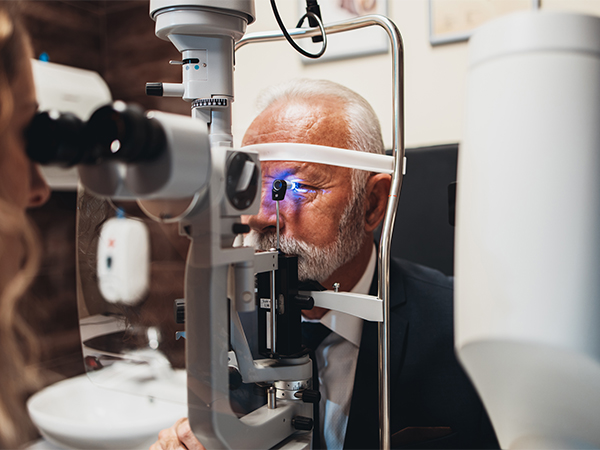
At Westchester Eyes, advanced diagnostic testing helps our eye care team evaluate the health, comfort, and function of your eyes with greater precision. These tests allow us to detect signs of inflammation, dry eye disease, retinal concerns, corneal irregularities, and other eye health issues that may not be obvious during a basic exam. By using detailed inflammation testing and advanced imaging technology, we can better understand what is happening beneath the surface and create a more personalized plan for your care.
How Advanced Testing Supports Better Eye Care
Many eye conditions develop gradually. You may notice blurry vision, irritation, redness, light sensitivity, or eye fatigue, but the underlying cause is not always clear without the right testing. Advanced diagnostic testing gives our eye doctors a closer look at the structures and tear film of the eye so we can make informed recommendations. This type of testing is especially helpful for patients with dry eye symptoms, contact lens discomfort, diabetes, eye pressure concerns, vision changes, inflammatory eye conditions, or a family history of eye disease.
Inflammation Testing For Dry Eye And Ocular Surface Health
Inflammation is a major factor in many chronic eye conditions, especially dry eye disease. At Westchester Eyes, we use advanced testing to evaluate the tear film and ocular surface more carefully. This may include MMP-9 testing, tear osmolarity testing, and tear sensitivity evaluation. MMP-9 testing helps identify inflammatory markers on the surface of the eye. Osmolarity testing measures the salt concentration in your tears, which can help show whether the tear film is unstable. Tear sensitivity testing provides insight into how well the nerves on the surface of the eye are responding.
Advanced Imaging Technology
Westchester Eyes also uses advanced imaging to evaluate the retina, cornea, optic nerve, and oil glands. These tests provide detailed images that help support early detection, diagnosis, and monitoring.
Our diagnostic technology may include:
Optos and Eidon widefield retinal imaging to capture detailed views of the retina
Visionix SOLIX OCT to evaluate layers of the retina, optic nerve, and other eye structures
Meibography to assess the meibomian glands that support healthy tears
Corneal topography to map the shape and curvature of the cornea
These imaging tools help our Yonkers eye care team identify subtle changes that can affect both vision and long-term eye health
Personalized Eye Care Based On Better Data
Advanced diagnostic testing is valuable because it allows care to be more targeted. Instead of treating symptoms alone, we use test results to better understand the root cause of your concerns. For example, two patients may both have dry, irritated eyes, but one may have inflammation while the other may have meibomian gland dysfunction or tear film instability. With detailed testing, Westchester Eyes can recommend a treatment plan that fits your specific needs. This may include dry eye therapy, ongoing monitoring, contact lens adjustments, retinal care, or additional evaluation when needed.
Protect Your Vision With Detailed Diagnostics
You may benefit from advanced diagnostic testing if you have ongoing eye discomfort, fluctuating vision, dryness, redness, burning, light sensitivity, headaches, trouble wearing contacts, or a history of eye health concerns. Testing may also be recommended during your comprehensive eye exam if your doctor notices signs that need a closer look.
Schedule advanced diagnostic testing with Westchester Eyes at 598 Tuckahoe Rd., Yonkers, NY 10710, by calling (914) 586-3937
All Eye
Care Services

Keep
In Touch

© 2026 Westchester Eyes. All rights Reserved. Accessibility Statement - Privacy Policy - Sitemap
Powered by: