
Neurotrophic Keratopathy
Neurotrophic Keratopathy Care
Many people assume that ongoing eye irritation is simply dry eye or that a painless eye cannot have a serious surface problem. Neurotrophic keratopathy is different. It develops when the nerves that support corneal sensation and healing become damaged or impaired. Because the cornea may not feel discomfort normally, the condition can progress even when symptoms seem mild.
At Westchester Eyes, our approach to neurotrophic keratopathy care begins with identifying why the cornea is not healing properly. We use objective findings to guide diagnosis and build a personalized plan rather than treating every irritated eye the same way.
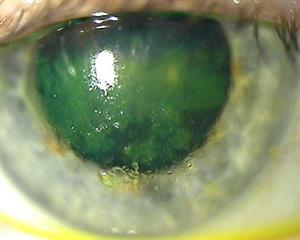
Why Neurotrophic Keratopathy Requires Careful Evaluation
The cornea depends on healthy nerve function to maintain sensation, trigger protective blinking and tearing, and support surface repair. When that nerve supply is disrupted, the corneal tissue becomes more vulnerable to breakdown, persistent defects, infection, and scarring.
Neurotrophic keratopathy may be associated with previous herpes infections, diabetes, eye surgery, long-term ocular surface disease, certain medications, contact lens-related injury, or neurological conditions. Determining the likely contributor is essential because the underlying cause influences how care should be planned.
Symptoms Do Not Always Reflect the Severity
Patients should schedule an evaluation when an eye problem continues to return, heals slowly, or does not respond as expected to standard treatment. Possible signs include:
- Persistent redness, dryness, or blurred vision
- Light sensitivity or fluctuating vision
- A corneal abrasion or surface defect that heals slowly
- Recurrent irritation after surgery, infection, or injury
- Surprisingly little pain despite visible corneal damage
The lack of significant discomfort should not be viewed as reassurance. Reduced corneal sensitivity is one of the reasons neurotrophic keratopathy can be missed without a detailed examination.
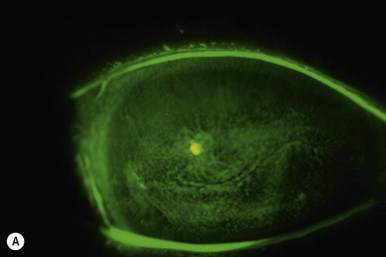
Objective Testing Helps Identify the Underlying Problem
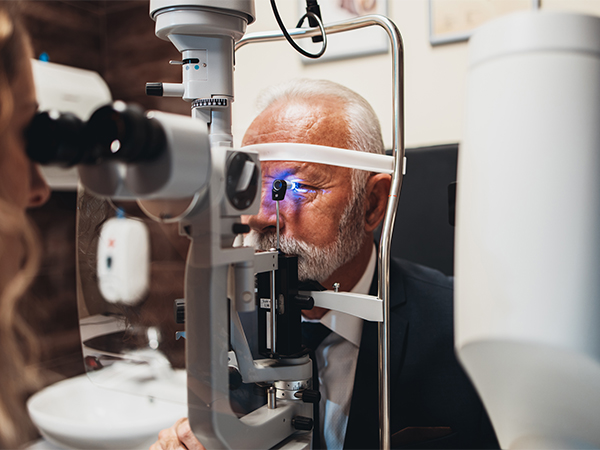
At Westchester Eyes, diagnosis is based on more than symptoms alone. A medical eye evaluation may include a detailed review of health history, medications, previous procedures, infections, and ocular surface concerns. We also assess corneal sensitivity, examine the cornea with magnification, use diagnostic staining to identify damaged areas, and evaluate the tear film and eyelids for contributing inflammation or exposure. These findings help distinguish neurotrophic keratopathy from dry eye, infection, recurrent corneal erosion, and other conditions that can cause similar complaints.
Management Is Personalized to the Cornea’s Findings
Neurotrophic keratopathy management depends on the condition’s underlying cause, stage, and effect on the corneal surface. Care may focus on improving lubrication, protecting the cornea, reducing surface stress, supporting epithelial healing, addressing related eyelid or tear film concerns, and lowering the risk of further damage.
Depending on the examination findings, a personalized plan may include preservative-free lubrication, protective contact lenses, prescription treatment, or coordinated care with a corneal specialist. Amniotic membrane therapy, or AMT, may be recommended when the ocular surface needs additional support for healing and comfort. AMT helps protect the surface of the eye, support tissue recovery, and provide relief when inflammation or irritation has affected the cornea.
Get Answers About Your Corneal Health
Schedule a neurotrophic keratopathy evaluation with Westchester Eyes to receive objective testing, a clear diagnosis, and a personalized management plan focused on protecting your cornea and supporting healthy healing. Contact the location most convenient for you: Yonkers at (914) 586-EYES (3937), White Plains - North at (914) 487-0025, or White Plains - South at (914) 946-4100.
All Eye
Care Services

Keep
In Touch

© 2026 Westchester Eyes. All rights Reserved. Accessibility Statement - Privacy Policy - Sitemap
Powered by: