
Diabetic Eye Care
Diabetic eye care involves more than checking whether your vision has changed. Diabetes can affect the retina and the small blood vessels that support healthy vision, often before noticeable symptoms develop. At Westchester Eyes, our goal is to identify and document these underlying changes as early as possible.
Using objective diagnostic testing, our doctors evaluate how diabetes is affecting your individual eye health. We then develop a personalized monitoring plan based on your examination findings, medical history, and risk factors rather than relying on a one-size-fits-all approach.
Why Regular Diabetic Eye Care Is Important
Diabetic retinopathy develops when diabetes damages the small blood vessels in the retina, the light-sensitive tissue at the back of the eye. These blood vessels may weaken, leak, swell, or become blocked over time. Diabetes can also contribute to diabetic macular edema and increase the risk of other eye conditions, including cataracts and glaucoma.
Because early diabetic eye disease may not cause pain or obvious changes in vision, waiting for symptoms can allow the condition to progress unnoticed. A diabetic eye exam gives us an objective view of the retina, optic nerve, blood vessels, and other internal eye structures, even when your vision appears stable.
Objective Testing for Diabetic Eye Disease
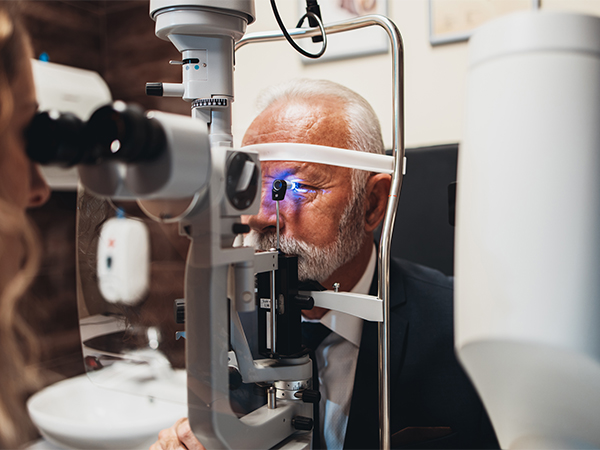
At Westchester Eyes, we use advanced diagnostic technology to identify subtle diabetic-related changes and establish a detailed baseline for your eye health. Your evaluation may include Optos retinal imaging, Eidon retinal imaging, SOLIX OCT, dilation, visual acuity testing, and a review of your ocular and medical history.
These technologies allow our doctors to examine different layers and structures of the retina, document findings, and compare images from one visit to the next. Rather than making recommendations based on symptoms alone, we use measurable clinical findings to guide your diagnosis and monitoring schedule.
We evaluate for signs such as:
Diabetic retinopathy
Diabetic macular edema
Retinal bleeding or leaking blood vessels
Changes in the macula or retinal tissue
Diabetes-related vision fluctuations
Cataract or glaucoma concerns
Personalized Monitoring Based on Your Findings
Diabetic eye disease does not progress the same way in every patient. Your risk can be influenced by several factors, including how long you have had diabetes, blood sugar and blood pressure control, previous retinal findings, and other health conditions.
If we identify diabetic retinopathy or another concerning change, our doctors will explain what the testing shows and what it means for your vision. We will then recommend a personalized monitoring plan based on the severity and location of the findings. Follow-up imaging allows us to determine whether the condition is stable, improving, or progressing.
How Often Should You Schedule a Diabetic Eye Exam?
Many patients with diabetes should receive a comprehensive diabetic eye exam at least once a year. However, annual care is not the right schedule for every patient. More frequent monitoring may be recommended based on your diagnostic results, blood sugar history, previous findings, or changes in your overall health. Contact Westchester Eyes promptly if you experience blurred or fluctuating vision, new floaters, dark spots, missing areas of vision, flashes of light, or a sudden change in sight.
Schedule a diabetic eye exam with Westchester Eyes for objective testing and personalized care designed around your individual findings. Contact our Yonkers office at (914) 586-EYES (3937), White Plains - North at (914) 487-0025, or White Plains - South at (914) 946-4100.
All Eye
Care Services

Keep
In Touch

© 2026 Westchester Eyes. All rights Reserved. Accessibility Statement - Privacy Policy - Sitemap
Powered by: