
Ocular Surface Disease
Ocular Surface Disease Treatment
Ocular surface disease can cause ongoing dryness, redness, irritation, watery eyes, and fluctuating vision. At Westchester Eyes, Dr. Rubinfeld and our team take a detailed approach to diagnosing and treating ocular surface disease, with a focus on inflammation, tear film health, and the factors that may be affecting your daily comfort.
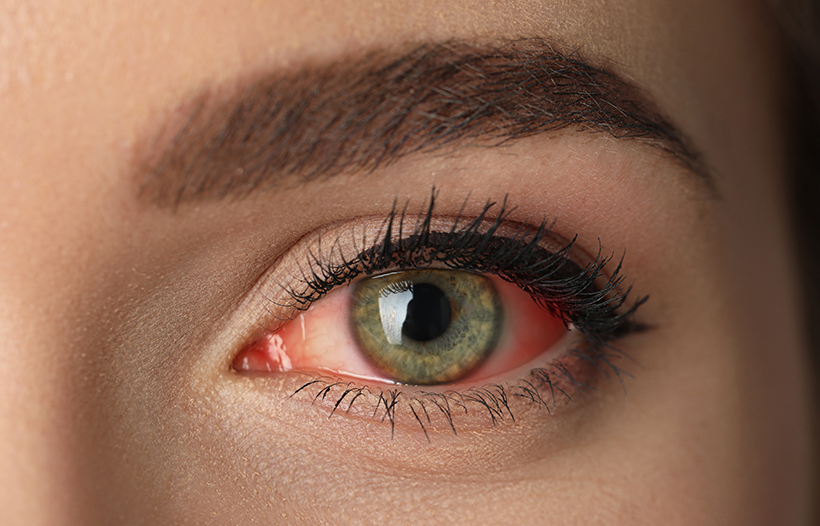
What Is Ocular Surface Disease?
Ocular surface disease refers to conditions that affect the front surface of the eye, including the tear film, cornea, conjunctiva, eyelids, and meibomian glands. When inflammation disrupts this delicate system, the eyes may become dry, irritated, watery, gritty, red, or sensitive to light. Many patients assume these symptoms are only caused by allergies, aging, screen use, or contact lenses. While those factors can play a role, ongoing discomfort is often connected to inflammation, tear film instability, or gland dysfunction on the ocular surface. Identifying and addressing this inflammation is an important part of improving eye comfort and protecting the health of the ocular surface.
Common Ocular Surface Diseases
Ocular surface disease can include several related conditions. Some of the most common include:
Dry eye disease
Meibomian gland dysfunction
Blepharitis
Ocular allergies
Demodex-related lid irritation
Conjunctivitis
Corneal surface problems
Ocular rosacea
Keratitis
Neurotrophic keratitis
Because these conditions can overlap, a thorough evaluation is important.
Signs and Symptoms You Should Not Ignore
You should schedule an eye evaluation if you notice:
Burning, stinging, itching, or gritty eyes
Redness that returns often
Watery eyes or excessive tearing
Blurry vision that comes and goes
Light sensitivity
Eye fatigue during reading or screen use
Contact lens discomfort
Crusting, flaking, or irritation along the eyelids
A foreign body sensation, even when nothing is in the eye
These symptoms can become more disruptive over time if the underlying inflammation is not addressed.
Ocular Surface Disease Treatment
Treatment depends on the cause and severity of your condition. We offer advanced treatment options for ocular surface disease, including:
Espansione IPL - Designed to target inflammation and vascular changes that can contribute to dry eye symptoms. This treatment may be recommended when redness, irritation, eyelid inflammation, or meibomian gland dysfunction are affecting the tear film and ocular surface comfort.
LLLT - Uses Light Modulation low-level light therapy to support eyelid health and meibomian gland function. By helping improve gland performance and oil flow, LLLT may support better tear quality and reduce evaporation-related dryness.
AMT - Amniotic membrane therapy that may be recommended when the ocular surface needs additional support for healing and comfort. AMT can help protect the surface of the eye, support tissue recovery, and provide relief when inflammation or irritation has affected the ocular surface.
These treatments may be recommended when symptoms are connected to meibomian gland dysfunction, chronic inflammation, or tear film instability. Our eye doctor will determine whether these therapies are appropriate based on your exam findings and symptoms.
Get Personalized Care for Ocular Surface Disease
Ocular surface disease can look and feel different for every patient. Some people notice occasional dryness or irritation, while others deal with daily discomfort that affects reading, driving, work, screen use, and overall quality of life. At Westchester Eyes, our approach focuses on identifying the underlying cause of your symptoms and creating a personalized treatment plan to support lasting ocular comfort and healthier eyes. Schedule a consultation with Westchester Eyes to learn more about ocular surface disease treatment. Contact a location most convenient for you:
Yonkers at (914) 586-3937
White Plains - North at (914) 487-0025
White Plains - South at (914) 946-4100
All Eye
Care Services

Keep
In Touch

© 2026 Westchester Eyes. All rights Reserved. Accessibility Statement - Privacy Policy - Sitemap
Powered by: