
Artificial Tears vs. Anti-Inflammatory Light Therapy: Choosing the Right Path for Long-Term Eye Relief
Artificial Tears vs. Anti-Inflammatory Light Therapy: Choosing the Right Path for Long-Term Eye Relief
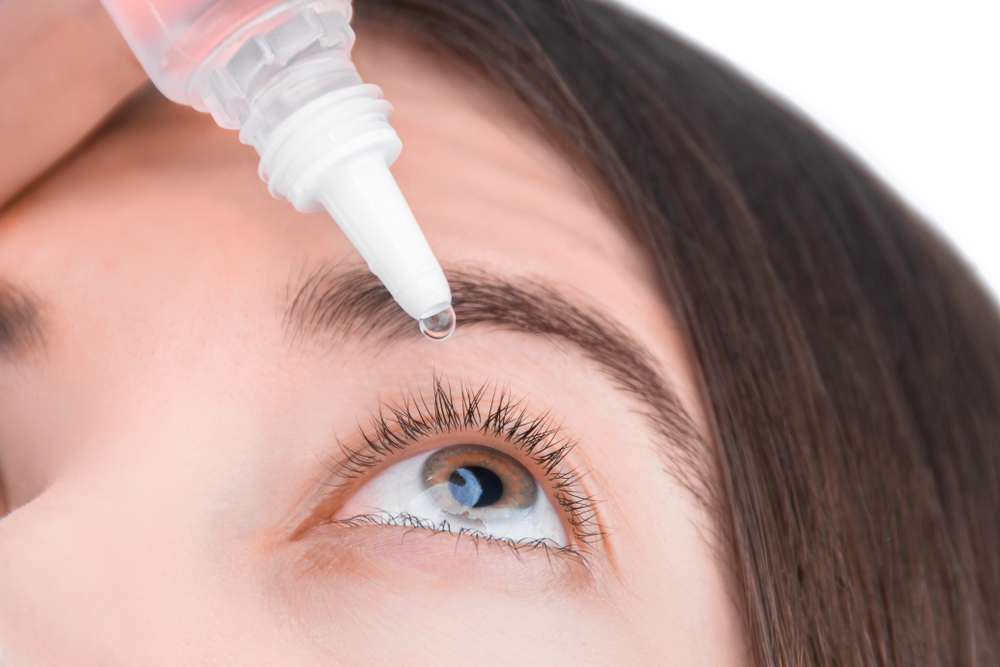
Artificial tears can be helpful when your eyes feel dry, gritty, tired, or irritated. They add moisture to the eye’s surface and may provide fast relief from mild or occasional symptoms. For many people in Yonkers, they are an easy first step when discomfort appears after screen use, contact lens wear, indoor heating, or air conditioning.
However, artificial tears mainly supplement the tear film. If inflammation, blocked oil glands, or meibomian gland dysfunction is contributing to your symptoms, drops alone may not fully address the underlying problem. You may find yourself applying them repeatedly without experiencing consistent relief.
Signs You May Need More Than Eye Drops
Ongoing dry eye symptoms should be evaluated rather than managed through trial and error. A more advanced approach may be appropriate when you experience:
• Burning, stinging, or a sandy sensation
• Redness that keeps returning
• Fluctuating or blurry vision
• Excessive watering caused by irritation
• Contact lens discomfort
• Frequent dependence on artificial tears
A dry eye evaluation can help determine whether your tear production, tear quality, eyelid health, or inflammation is driving the problem.
Diagnosing the Root Cause of Dry Eye
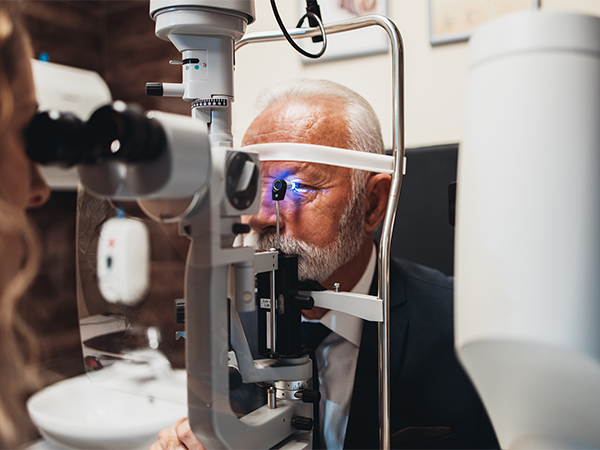
Dry eye is not the same for every patient, which is why identifying the root cause is an important part of long-term relief. At Westchester Eyes, we use objective diagnostic testing to evaluate the tear film, eyelids, oil glands, and level of inflammation.
MMP-9 testing can identify inflammatory markers on the eye’s surface, while osmolarity testing measures the concentration and stability of the tears. Meibography allows us to examine the structure of the meibomian glands and look for blockages, damage, or gland loss.
These findings help us determine whether symptoms are related to aqueous-deficient dry eye, evaporative dry eye, meibomian gland dysfunction, inflammation, or a combination of factors. With a clearer diagnosis, we can recommend treatment based on what your eyes actually need instead of relying only on temporary symptom relief.
How Anti-Inflammatory Light Therapy Works
At Westchester Eyes, we offer Espansione IPL and LLLT for patients in Yonkers seeking a more targeted dry eye treatment. Intense pulsed light, or IPL, delivers controlled pulses of light around the eyelids. This approach is designed to reduce inflammation and support healthier function in the meibomian glands, which produce the protective oil layer of the tear film.
Low-level light therapy, or LLLT, uses gentle light energy to support cellular activity and improve gland function. When these treatments are combined, they may help stabilize the tear film and reduce symptoms associated with evaporative dry eye and meibomian gland dysfunction.
Artificial Tears and Light Therapy Can Work Together
Choosing between artificial tears and anti-inflammatory light therapy is not always an either-or decision. Artificial tears may still be used to support comfort while advanced treatment addresses factors that keep dryness returning.
The right plan depends on how often symptoms occur, whether inflammation is present, the condition of the meibomian glands, how quickly the tear film breaks up, and how your eyes have responded to previous treatments. We use diagnostic testing to identify the source and severity of dry eye before recommending care. This helps us create a more personalized plan instead of relying on temporary symptom management alone.
Finding the Right Dry Eye Treatment in Yonkers
If artificial tears no longer provide dependable relief, it may be time to look beyond the bottle. Anti-inflammatory light therapy can offer a more targeted option for certain patients, especially when chronic inflammation or poor oil gland function is involved.
Schedule your dry eye evaluation with Westchester Eyes to learn whether Espansione IPL and LLLT may be right for you. Visit our office in Yonkers, NY, or call 914-586-EYES (3937) to book an appointment.
All Eye
Care Services

Keep
In Touch

© 2026 Westchester Eyes. All rights Reserved. Accessibility Statement - Privacy Policy - Sitemap
Powered by: