
Can You Have Glaucoma With Normal Eye Pressure? What White Plains Patients Should Know
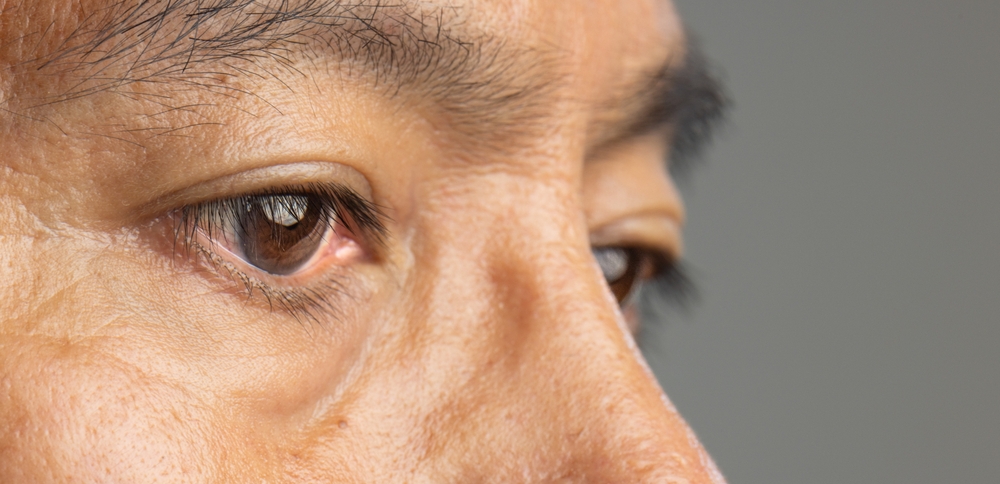
Many people assume glaucoma only develops when eye pressure is too high. However, glaucoma can occur even when eye pressure readings fall within the normal range. This condition, known as normal-tension glaucoma, can gradually damage the optic nerve without noticeable symptoms. At Westchester Eyes in White Plains, we emphasize comprehensive glaucoma testing to identify early changes and help protect your long-term vision.
What Is Normal-Tension Glaucoma?
Normal-tension glaucoma is a form of open-angle glaucoma that causes optic nerve damage despite eye pressure remaining within the typical range. Eye pressure is measured in millimeters of mercury (mmHg), with readings between 10 and 21 mmHg generally considered normal. However, some individuals develop glaucoma even within this range.
The optic nerve may be more vulnerable to pressure-related damage, even at levels considered safe for most people. This is why a normal eye pressure reading does not automatically rule out glaucoma.
Why Eye Pressure Alone Cannot Detect Glaucoma
Measuring intraocular pressure is an important part of an eye exam, but it only provides one piece of information. Eye pressure can fluctuate throughout the day, and factors such as corneal thickness can affect measurements. More importantly, glaucoma is diagnosed by evaluating the optic nerve and identifying structural or functional changes.
For patients in White Plains, comprehensive glaucoma evaluations can help uncover concerns that a routine pressure check might miss.
Who Is at Risk for Glaucoma With Normal Eye Pressure?
Although normal-tension glaucoma can affect different individuals, certain factors may increase the likelihood of developing glaucoma.
Important risk factors include:
• A family history of glaucoma
• Increasing age, particularly after age 40
• Thin corneas
• Significant nearsightedness
• Certain vascular conditions or a history of low blood pressure
Having these risk factors does not necessarily mean you have glaucoma. However, they may indicate a need for more detailed testing or closer monitoring.
How Advanced Glaucoma Testing Helps Detect Early Damage
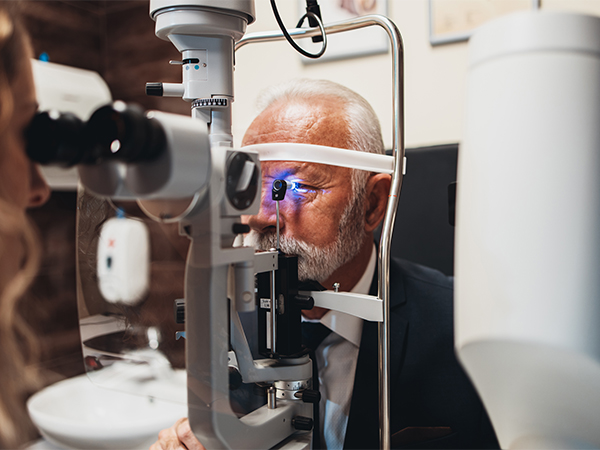
At Westchester Eyes, we look beyond eye pressure measurements to evaluate optic nerve health and detect potential signs of glaucoma.
Depending on your examination findings, glaucoma testing may include:
• Optical coherence tomography (OCT) provides detailed images of the optic nerve and retinal nerve fiber layer. This technology helps identify thinning or structural changes associated with glaucoma.
• Visual field testing evaluates peripheral vision, which glaucoma may affect before noticeable changes occur in central vision.
• Optic nerve examinations allow us to evaluate the nerve's appearance and look for findings that may indicate damage.
By comparing test results over time, we can identify changes that may require additional evaluation or treatment.
Can Normal-Tension Glaucoma Be Treated?
Yes. Although eye pressure may already be within the normal range, lowering it further can help slow glaucoma progression. Treatment may include prescription eye drops, laser procedures, or other interventions depending on the severity of optic nerve damage and individual needs. Because glaucoma-related vision loss is irreversible, early detection and consistent monitoring are essential. Our goal is to identify concerning changes before significant vision loss develops and recommend appropriate next steps.
If you have concerns about glaucoma or a family history of the condition, schedule a comprehensive glaucoma evaluation with Westchester Eyes at our White Plains - North location, 65 Tarrytown Road, White Plains, NY 10607. Call (914) 487-0025 to book your appointment.
All Eye
Care Services

Keep
In Touch

© 2026 Westchester Eyes. All rights Reserved. Accessibility Statement - Privacy Policy - Sitemap
Powered by: