
Chronic Dry Eye and Inflammation: What Is Happening to Your Tear Film?
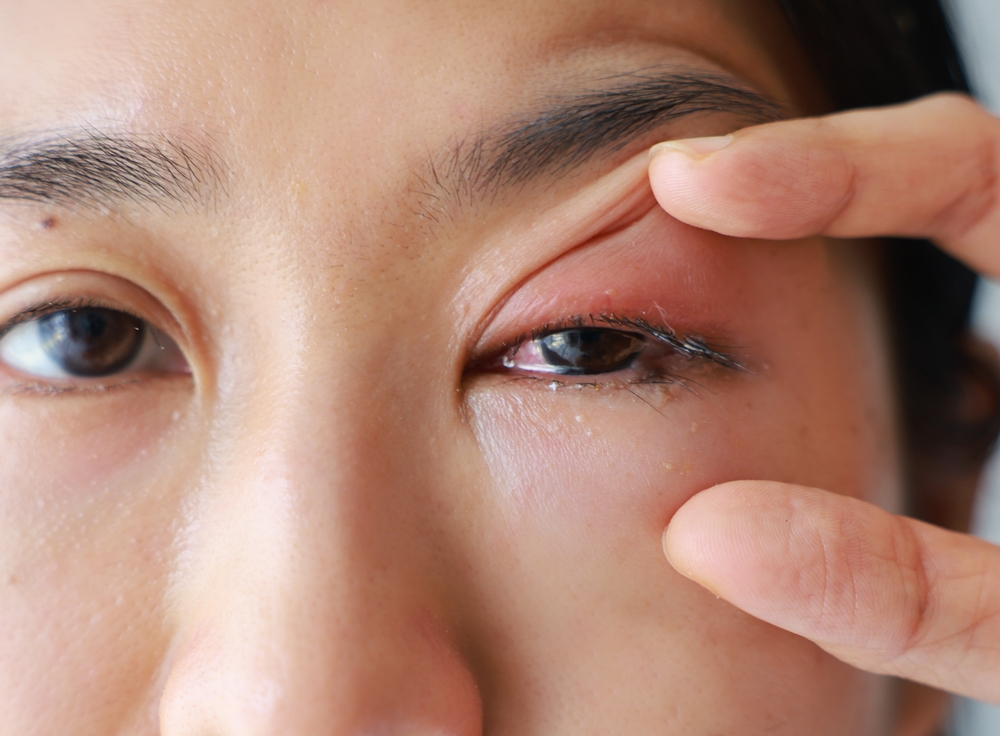
Chronic dry eye is not always as simple as your eyes failing to produce enough tears. For many patients in Yonkers, persistent dryness, burning, redness, or blurry vision can be connected to inflammation and an unstable tear film. At Westchester Eyes, we look closely at the health of the ocular surface to understand what may be causing ongoing discomfort.
Understanding Your Tear Film
Every time you blink, a thin layer of tears spreads across the surface of your eyes. This tear film keeps the eyes lubricated, protects the cornea, and helps maintain clear vision.
A healthy tear film depends on three important components:
• An oily layer that slows tear evaporation
• A watery layer that provides moisture and nutrients
• A mucin layer that helps tears spread evenly across the eye
When one or more of these components become unbalanced, tears may evaporate too quickly or fail to adequately protect the eye. This can lead to chronic dry eye symptoms.
How Inflammation Affects Dry Eye
Inflammation can both contribute to dry eye and develop as a result of ongoing tear film instability. When the surface of the eye does not remain properly lubricated, it can become stressed and irritated. This irritation may trigger an inflammatory response that further disrupts healthy tear production and tear film stability.
Over time, this can create a cycle of dryness and inflammation. Simply adding moisture with artificial tears may provide temporary relief, but it may not address the underlying reason symptoms keep returning.
Meibomian Glands and Tear Evaporation
The meibomian glands along the eyelids produce the oils that form the outer layer of the tear film. If these glands become blocked or dysfunctional, there may not be enough healthy oil to prevent tears from evaporating.
Meibomian gland dysfunction, blepharitis, and ocular surface inflammation can all contribute to evaporative dry eye. Patients may experience burning, gritty sensations, excessive watering, fluctuating vision, or discomfort while wearing contact lenses.
Identifying What Is Disrupting Your Tear Film
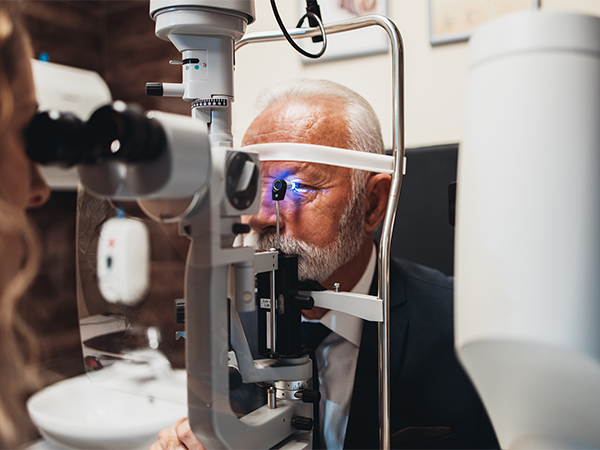
Because chronic dry eye can have several contributing factors, a detailed evaluation is important. At Westchester Eyes in Yonkers, we use advanced diagnostic testing to assess tear film health, inflammation, and meibomian gland function.
Testing may include MMP-9 testing to look for inflammatory markers, tear osmolarity testing to evaluate tear film imbalance, and meibography to examine the health and structure of the meibomian glands. These findings help us develop a treatment plan based on what is happening with your eyes rather than relying on symptoms alone.
Take a Closer Look at Chronic Dry Eye
If dry, irritated, watery, or uncomfortable eyes keep returning, it may be time to look beyond temporary relief. Schedule a dry eye evaluation with Westchester Eyes to learn what may be affecting your tear film and explore treatment options tailored to your eye health. Contact our office in Yonkers, NY, by calling (914) 586-3937 to book an appointment.
All Eye
Care Services

Keep
In Touch

© 2026 Westchester Eyes. All rights Reserved. Accessibility Statement - Privacy Policy - Sitemap
Powered by: