
Contact Lens Intolerance and Ocular Inflammation: Looking Beyond a New Prescription in White Plains
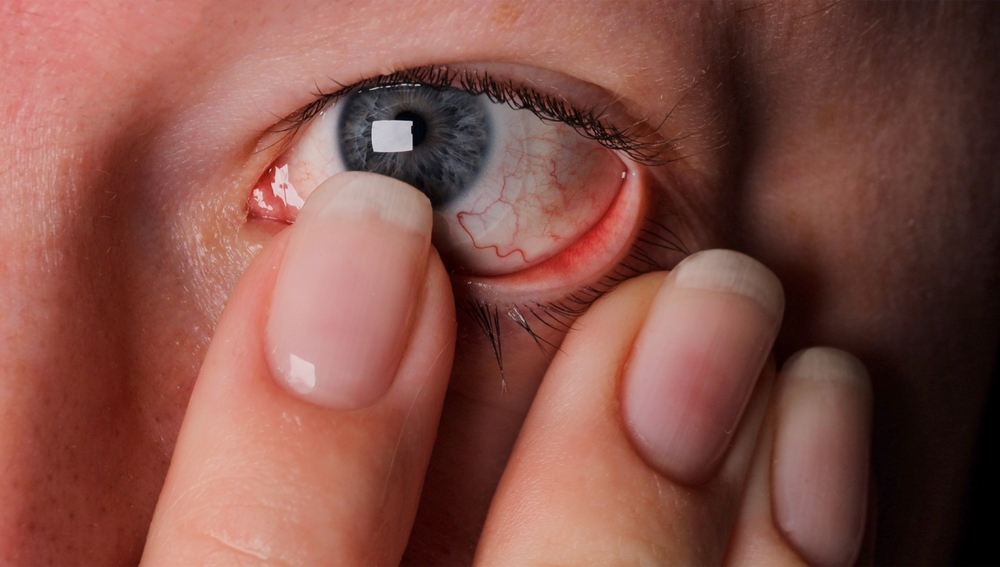
Contact lenses are designed to provide clear, comfortable vision, but some patients develop persistent dryness, redness, burning, or irritation while wearing them. Although switching lenses or updating a prescription may help in certain cases, ongoing discomfort can indicate an underlying medical condition. At Westchester Eyes in White Plains, NY, we evaluate contact lens intolerance by examining ocular inflammation, tear film stability, and the health of the eye's surface.
Why Contact Lens Intolerance May Be More Than a Prescription Issue
Contact lens intolerance occurs when wearing contacts becomes increasingly uncomfortable or difficult. Patients may notice irritation after several hours, fluctuating vision, excessive tearing, or a reduced ability to tolerate lenses throughout the day.
While lens fit and material can contribute to these symptoms, ocular surface inflammation is another important consideration. Inflammation can disrupt the tear film, affect the corneal surface, and interfere with meibomian gland function. These glands produce the oils that slow tear evaporation. When they become obstructed or dysfunctional, contact lenses may feel uncomfortable even when the prescription is accurate.
Identifying Ocular Inflammation Through Objective Testing
At our White Plains office, we focus on identifying measurable abnormalities rather than relying on symptoms alone. A comprehensive evaluation helps us determine whether inflammation, tear film instability, or another ocular condition is contributing to contact lens discomfort.
Depending on the patient's symptoms and examination findings, our diagnostic approach may include:
- MMP-9 Testing: Detects an inflammatory marker that may indicate ocular surface inflammation.
- Tear Osmolarity Testing: Measures tear concentration to help assess tear film instability.
- Meibography: Evaluates meibomian gland structure and identifies changes associated with gland dysfunction.
- Tear Film Evaluation: Assesses tear stability and how effectively the ocular surface remains lubricated.
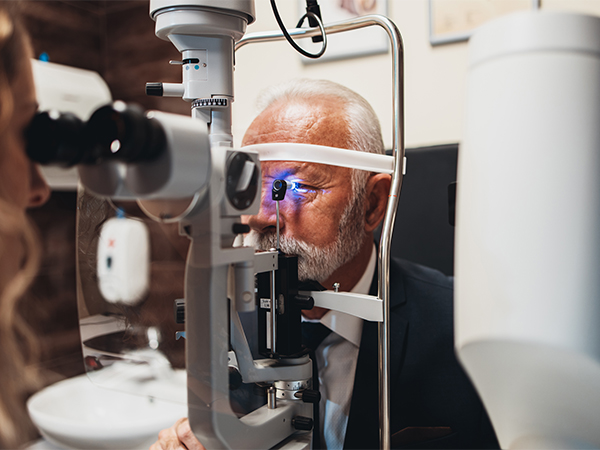
- Slit-Lamp Examination: Identifies redness, corneal staining, eyelid abnormalities, and other signs of ocular surface disease.
These findings help us distinguish between contact lens-related problems and underlying medical conditions requiring targeted treatment.
Treating Inflammation Before Reconsidering Contact Lenses
When ocular inflammation contributes to contact lens intolerance, simply changing lens brands may not resolve the underlying problem. At Westchester Eyes, we develop treatment recommendations based on the results of each patient's examination. Depending on the cause, care may involve temporarily discontinuing contact lens wear, managing eyelid inflammation, improving tear film stability, or addressing meibomian gland dysfunction.
For appropriate patients, advanced treatments may include LM LLLT (Light Modulation Low-Level Light Therapy) and OPE IPL (Optimal Power Energy Intense Pulsed Light). These therapies are designed to address inflammatory factors and support meibomian gland function.
We recommend these treatments only when clinical findings indicate they may be beneficial. Once ocular surface health improves, we can reassess contact lens fit, materials, and wearing schedules.
When Should You Seek an Evaluation?
If your contact lenses consistently cause burning, redness, dryness, or fluctuating vision, an ocular surface evaluation can help identify contributing factors before additional prescription changes are made.
Patients experiencing significant eye pain, light sensitivity, or sudden vision changes should remove their contacts and seek prompt medical evaluation, as these symptoms may indicate a more serious condition.
If contact lens discomfort is interfering with your daily routine, schedule an eye exam with Westchester Eyes to identify the underlying cause and explore appropriate treatment options. Visit our White Plains South office at 15 North Broadway, Suite 1A, White Plains, NY 10601, or call (914) 946-4100 to book an appointment today.
All Eye
Care Services

Keep
In Touch

© 2026 Westchester Eyes. All rights Reserved. Accessibility Statement - Privacy Policy - Sitemap
Powered by: