
Diabetic Eye Exams in White Plains: How OCT and Retinal Imaging Detect Early Changes
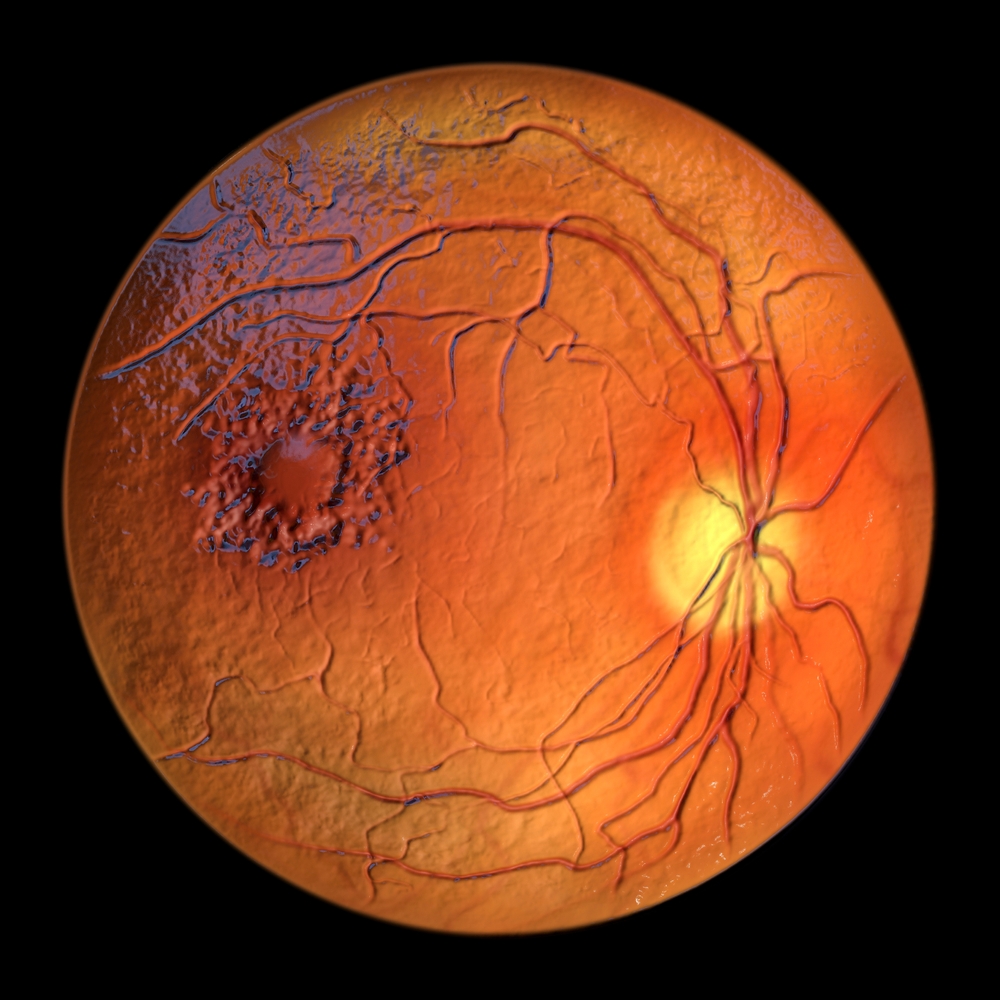
Diabetes can affect your eyes long before you notice changes in your vision. Over time, elevated blood sugar can damage the small blood vessels in the retina, increasing the risk of diabetic retinopathy and other vision-threatening conditions. At Westchester Eyes in White Plains - North, we emphasize early detection through comprehensive diabetic eye exams and advanced diagnostic technology. With tools such as optical coherence tomography (OCT) and retinal imaging, we can identify subtle changes, monitor retinal health, and help protect your long-term vision.
Why Diabetic Eye Exams Are Important
Diabetic retinopathy is a common complication of diabetes that affects the blood vessels in the retina. During its early stages, the condition may develop without noticeable symptoms. You could have clear vision while changes are already occurring inside your eyes.
Regular diabetic eye exams allow us to evaluate retinal health before significant vision problems develop. Early detection also helps us determine when additional monitoring, treatment, or specialist care may be necessary.
How OCT Detects Changes Beneath the Retina's Surface
Optical coherence tomography (OCT) is a noninvasive imaging technology that creates detailed cross-sectional images of the retina. Unlike traditional retinal photographs, OCT allows us to examine individual retinal layers and measure their thickness.
This technology is particularly useful for identifying diabetic macular edema, a condition in which fluid accumulates in the macula, the central area of the retina responsible for sharp vision.
OCT can help us detect retinal swelling, evaluate structural changes, and monitor whether these findings are progressing over time.
How Retinal Imaging Helps Identify Diabetic Eye Disease
Retinal imaging provides detailed photographs of the back of the eye, allowing us to examine blood vessels and surrounding retinal tissue.
At Westchester Eyes, our diagnostic technology includes Optos and Eidon retinal imaging, which can help document abnormalities and track changes between appointments.
During diabetic eye exams, we look for several important warning signs:
• Microaneurysms, which are tiny bulges in retinal blood vessels
• Small retinal hemorrhages caused by damaged blood vessels
• Yellowish deposits called hard exudates that may indicate blood vessel leakage
• Abnormal new blood vessel growth associated with advanced diabetic retinopathy
• Changes in retinal appearance that require additional evaluation
Retinal imaging and OCT provide complementary information. Neither replaces a comprehensive dilated retinal examination when one is indicated.
How Often Should You Have a Diabetic Eye Exam?
Many people with diabetes need a comprehensive dilated eye exam at least once a year. However, your recommended schedule may depend on your type of diabetes, blood sugar control, medical history, and previous retinal findings. At our White Plains - North office, we assess your individual risk factors and use diagnostic findings to recommend appropriate follow-up care.
If you experience sudden vision loss, new flashes, numerous new floaters, or a dark shadow across your vision, seek immediate eye care rather than waiting for your next routine appointment.
Schedule Your Diabetic Eye Exam in White Plains - North
Protect your vision with regular diabetic eye exams and personalized retinal health monitoring. Contact Westchester Eyes - White Plains - North at 65 Tarrytown Road, White Plains, NY 10607, or call (914) 487-0025 to schedule your comprehensive eye examination today.

All Eye
Care Services

Keep
In Touch

© 2026 Westchester Eyes. All rights Reserved. Accessibility Statement - Privacy Policy - Sitemap
Powered by: