
Dry Eye With Few Symptoms? Why Advanced Testing Can Reveal Hidden Ocular Surface Problems

Dry eye does not always cause noticeable burning, redness, or irritation. Some people have underlying tear film problems, inflammation, or changes in their oil glands without experiencing significant discomfort. At Westchester Eyes in White Plains, we use advanced dry eye testing to identify ocular surface problems that may not be obvious during a routine examination. Understanding these early changes can help us recommend appropriate care before symptoms become more disruptive.
Why Can Dry Eye Develop Without Noticeable Symptoms?
Dry eye disease occurs when the eyes do not produce enough tears or when the tears evaporate too quickly. However, the severity of symptoms does not always reflect the condition of the ocular surface.
Some patients develop meibomian gland dysfunction (MGD), which affects the oil-producing glands along the eyelids. These glands help prevent tears from evaporating too quickly. When they become blocked or function poorly, tear film stability can decline even without significant irritation.
Changes in corneal sensitivity may also affect how strongly someone experiences dry eye symptoms. This is why evaluating eye health involves more than simply asking whether your eyes feel dry.
What Can Advanced Dry Eye Testing Reveal?
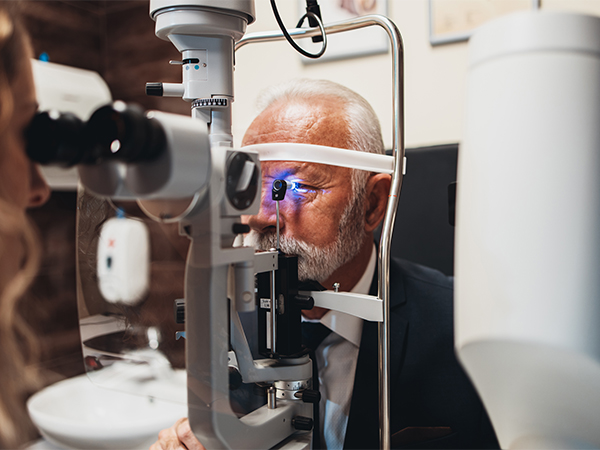
At Westchester Eyes, we use objective diagnostic testing to evaluate tear quality, inflammation, and meibomian gland health. These assessments can help identify ocular surface problems that might otherwise go unnoticed.
Our diagnostic approach may include:
• Meibography: Provides detailed images of the meibomian glands to identify structural changes, gland loss, or other abnormalities associated with dry eye.
• Tear Osmolarity Testing: Measures tear concentration to help identify tear film imbalance associated with dry eye disease.
• MMP-9 Testing: Detects elevated levels of an inflammatory marker that may indicate ocular surface inflammation.
• Ocular Surface Examination: Evaluates the cornea, eyelids, and tear film for signs of irritation, instability, or surface damage.
By combining these findings with your medical history and symptoms, we can better understand your ocular surface health.
Who Should Consider Advanced Dry Eye Testing?
Advanced testing may be appropriate even when symptoms are mild, especially if an eye examination reveals changes in tear quality or eyelid health.
Patients who wear contact lenses, spend extended periods using digital screens, have undergone eye surgery, or take medications that affect tear production may benefit from a closer evaluation.
For patients in White Plains, our goal is to identify underlying concerns rather than waiting for significant discomfort to develop. Early detection can also provide useful baseline measurements for monitoring changes over time.
How Does Early Detection Influence Dry Eye Treatment?
Identifying the underlying cause of dry eye helps us develop a more targeted care plan. Depending on your findings, we may recommend lubricating eye drops, eyelid hygiene, inflammation management, or advanced therapies such as intense pulsed light (IPL) and low-level light therapy (LLLT). We focus on personalized care based on measurable findings rather than symptoms alone.
Schedule an advanced dry eye evaluation with Westchester Eyes - White Plains South at 15 North Broadway, Suite 1A, White Plains, NY 10601, or call (914) 946-4100 to learn more about your ocular surface health.
All Eye
Care Services

Keep
In Touch

© 2026 Westchester Eyes. All rights Reserved. Accessibility Statement - Privacy Policy - Sitemap
Powered by: