
How Eye Doctors Treat a Corneal Abrasion: What to Expect During an Urgent Ocular Evaluation
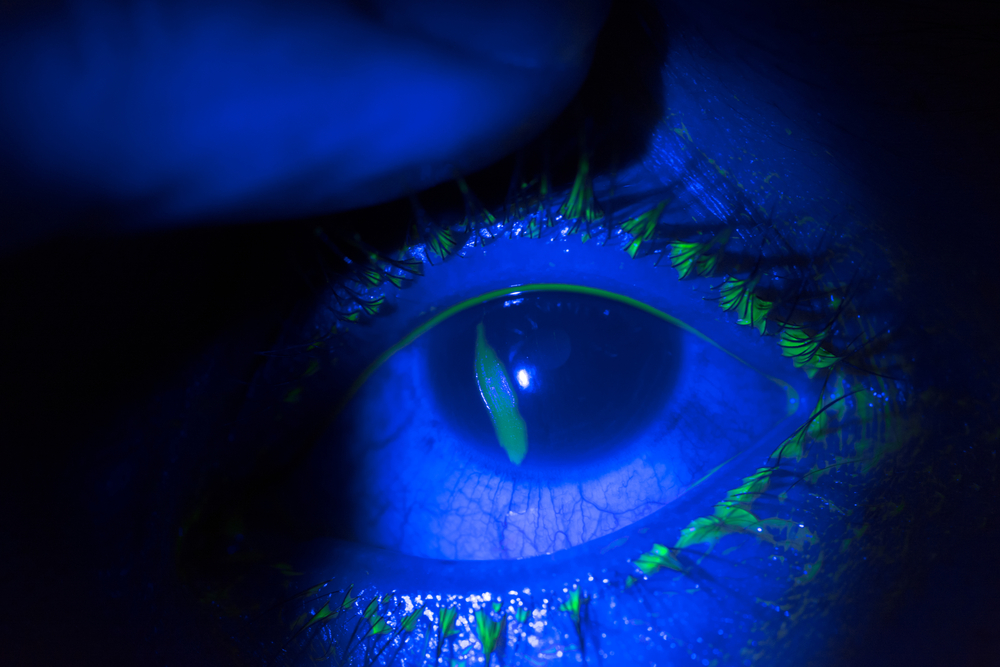
A corneal abrasion is a scratch on the clear front surface of the eye. Even a small abrasion can cause significant pain, tearing, redness, light sensitivity, and the feeling that something is stuck in your eye. Because the cornea is highly sensitive, symptoms can come on quickly and may interfere with normal vision. If you develop sudden eye pain after being scratched, rubbing your eye, wearing contact lenses, or getting debris in your eye, an urgent ocular evaluation in White Plains can help determine the cause and protect the eye from further damage.
What Happens During an Urgent Eye Exam?
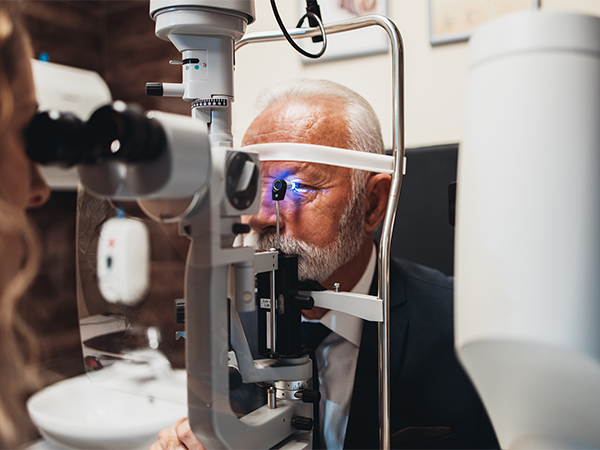
When you visit an eye doctor for a possible corneal abrasion, the first step is to understand how the injury happened and what symptoms you are experiencing. Your eye doctor may check your vision, examine the eyelids and surrounding tissues, and look closely at the cornea with a slit lamp microscope.
A fluorescein dye may also be placed in the eye. This dye temporarily highlights damaged areas of the cornea, making the abrasion easier to see under a special light. If there is concern that a small particle is trapped under the eyelid, the doctor may carefully examine the inner eyelid as well.
Common Signs of a Corneal Abrasion
Patients in White Plains should seek prompt eye care when symptoms appear suddenly after an eye injury or possible foreign body exposure. Common signs include:
- Sharp or persistent eye pain
- Excessive tearing or redness
- Sensitivity to light
- Blurry or decreased vision
- A gritty or foreign body sensation
- Difficulty keeping the eye open
Severe pain, worsening vision, chemical exposure, or a high-speed eye injury may require immediate emergency care.
How Is a Corneal Abrasion Treated?
Treatment depends on the size, location, and cause of the abrasion. If debris is present, your eye doctor may remove it carefully. Lubricating eye drops or ointments may be recommended to reduce friction while the cornea heals. In some cases, an antibiotic eye drop or ointment may be prescribed to lower the risk of infection.
Pain control may also be part of treatment. Your doctor will explain which medications are appropriate and whether additional care is needed. Contact lens wear should generally be stopped until the cornea has healed and your eye doctor confirms it is safe to resume.
Most uncomplicated corneal abrasions begin healing quickly, but the eye should still be monitored when symptoms are significant, the abrasion is large, or infection risk is higher.
Why Follow-Up Eye Care Matters
A corneal abrasion can sometimes lead to infection, delayed healing, or recurring discomfort. Follow-up care allows your White Plains eye doctor to make sure the cornea is closing properly and that no foreign material remains in the eye. If symptoms are not improving, additional testing or treatment may be needed.
Seeking an urgent ocular evaluation instead of waiting for symptoms to disappear can also help rule out other causes of eye pain, including deeper injuries, inflammation, or infection. Prompt diagnosis is especially important for contact lens wearers because certain corneal infections can progress quickly.
If you think you may have a corneal abrasion, contact Westchester Eyes at our Tarrytown Road location in White Plains, NY, at (914) 487-0025 for an urgent ocular evaluation.
All Eye
Care Services

Keep
In Touch

© 2026 Westchester Eyes. All rights Reserved. Accessibility Statement - Privacy Policy - Sitemap
Powered by: