
How IPL & LLLT Repair Meibomian Gland Dysfunction in White Plains
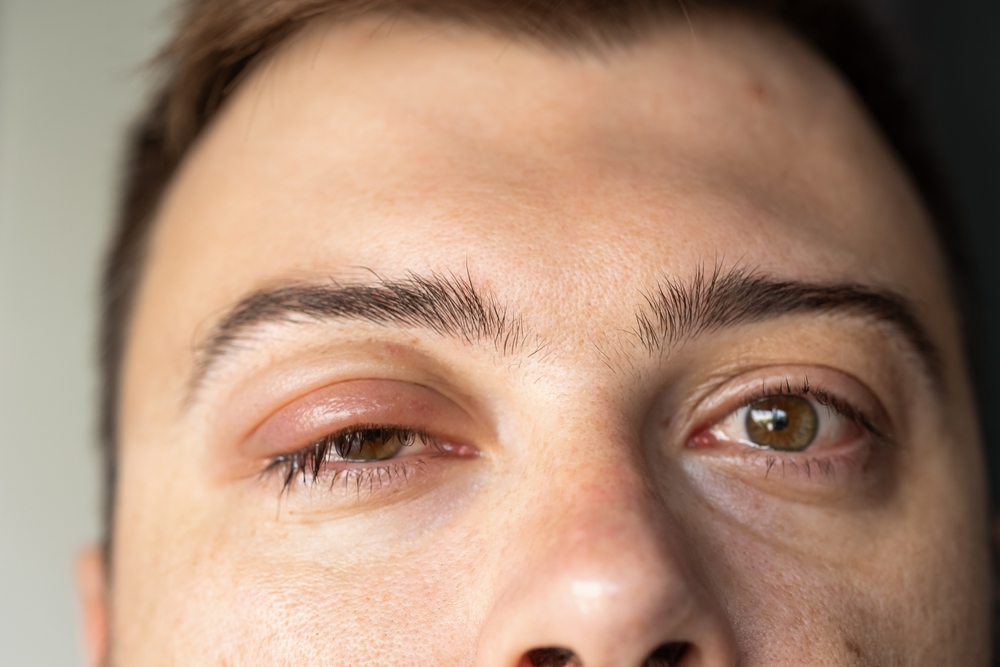
Burning, gritty, watery, or constantly irritated eyes are not always caused by a lack of tears. For many patients, the problem begins with meibomian gland dysfunction, or MGD. At Westchester Eyes, we offer advanced IPL and LLLT treatments in White Plains to address inflammation, poor oil flow, and other factors that can interfere with a healthy tear film.
Understanding Meibomian Gland Dysfunction
The meibomian glands are located along the eyelids and produce the oily layer of the tear film. This oil helps prevent tears from evaporating too quickly.
When the glands become blocked or do not produce enough healthy oil, tears can evaporate faster than they should. The result may be persistent dry eye symptoms and unstable vision. Common signs of MGD include:
• Burning, stinging, or gritty eyes
• Redness and eyelid irritation
• Excessive watering
• Fluctuating or blurry vision
• Dryness that returns despite using artificial tears
• Discomfort that becomes worse with prolonged screen use
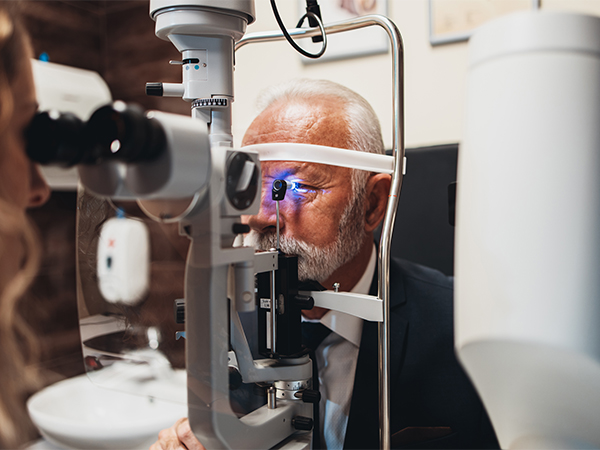
Because these symptoms may have several possible causes, we evaluate the tear film, eyelids, ocular surface, and meibomian glands before recommending treatment.
How IPL Helps Address Inflammation
Intense pulsed light, or IPL, uses controlled pulses of light around the eye area to target inflammatory and vascular factors associated with dry eye and meibomian gland dysfunction.
For appropriate patients at our White Plains practice, IPL can be part of a treatment plan designed to reduce inflammation around the eyelids and support healthier meibomian gland function. Improving the environment around these glands may allow them to produce and release oil more effectively, helping stabilize the tear film. Unlike artificial tears, which primarily provide temporary lubrication, IPL is intended to address factors contributing to recurring symptoms.
How LLLT Supports Meibomian Gland Function
Low-level light therapy, or LLLT, uses gentle light energy to warm and stimulate the eyelids. This approach can help support better oil flow from the meibomian glands and improve the quality of the tear film.
At Westchester Eyes, LLLT may be used on its own or combined with IPL depending on the condition of your glands, level of inflammation, symptoms, and diagnostic findings.
Why IPL And LLLT May Work Well Together
MGD often involves more than one contributing factor. A patient may have both inflammation and thickened or poorly flowing meibomian gland oils. Using IPL and LLLT together allows us to approach these concerns from different directions.
Our goal is not simply to temporarily mask dry eye symptoms. We focus on identifying what is disrupting your tear film and creating an individualized treatment plan designed to improve eyelid and ocular surface health.
If burning, watering, redness, or fluctuating vision is interfering with your day, schedule a dry eye evaluation at Westchester Eyes to learn whether IPL and LLLT may be appropriate for your meibomian gland dysfunction. Contact our office located at 15 North Broadway, Suite 1A, White Plains, NY 10601 by calling (914) 946-4100 to book an appointment.
All Eye
Care Services

Keep
In Touch

© 2026 Westchester Eyes. All rights Reserved. Accessibility Statement - Privacy Policy - Sitemap
Powered by: