
IPL vs. LLLT for Chronic Dry Eye in White Plains: Which Advanced Treatment Do You Need?

IPL vs. LLLT for Chronic Dry Eye in White Plains: Which Advanced Treatment Do You Need?
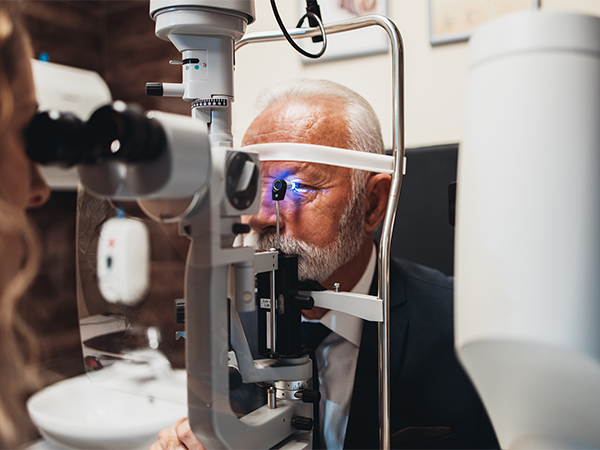
Chronic dry eye is not always caused by a lack of tears. For many patients, inflammation, meibomian gland dysfunction, poor oil flow, or tear film instability keeps symptoms returning. At Westchester Eyes, we use diagnostic testing to determine what is affecting the ocular surface before recommending advanced dry eye treatment in White Plains.
How IPL Targets Inflammation
Intense pulsed light, or IPL, applies controlled pulses of light to areas around the eyes. Espansione OPE IPL is designed to target inflammatory and vascular factors that may contribute to eyelid irritation, recurring redness, meibomian gland dysfunction, and unstable tears.
IPL may be considered when an examination shows inflammation around the eyelids or abnormal blood vessels that can keep the inflammatory cycle active. By addressing these underlying factors, IPL may support healthier gland function and more stable tear quality.
How LLLT Supports Meibomian Gland Function
Low-level light therapy, or LLLT, uses gentle light to warm and stimulate the meibomian glands. These glands produce the oil layer that slows tear evaporation. When oil flow is poor, tears may evaporate too quickly, leading to burning, irritation, watery eyes, or fluctuating vision.
LLLT may be recommended when testing shows reduced gland function or blocked oil flow. The treatment is designed to support eyelid health, gland performance, and tear film stability without relying only on temporary moisture from artificial tears.
Signs You May Need Advanced Dry Eye Care
A dry eye evaluation in White Plains may be helpful when you experience:
• Burning, stinging, redness, or a gritty sensation
• Excessive watering or light sensitivity
• Blurry or fluctuating vision
• Contact lens discomfort
• Symptoms that continue despite using artificial tears
• Eye fatigue during reading or screen use
Is IPL or LLLT Better for You?
Neither treatment is automatically better for every patient. IPL is often selected when inflammation and vascular changes are major contributors. LLLT may be more appropriate when poor meibomian gland function and rapid tear evaporation are the primary concerns.
Some patients may benefit from both treatments because chronic dry eye can involve several contributing factors at once. A combination approach can target inflammation while also supporting oil gland function.
Testing Helps Guide the Right Treatment
Symptoms alone cannot always show whether you need IPL, LLLT, or another form of care. At Westchester Eyes, dry eye testing may include MMP-9 inflammation testing, tear osmolarity testing, and meibography. These results help us evaluate inflammation, tear film balance, and meibomian gland health so your treatment plan is based on measurable findings.
Schedule a chronic dry eye evaluation with Westchester Eyes to learn whether IPL, LLLT, or a personalized combination may be right for you. Contact our office at 65 Tarrytown Road, White Plains, NY 10607, by calling (914) 487-0025 to book an appointment.
All Eye
Care Services

Keep
In Touch

© 2026 Westchester Eyes. All rights Reserved. Accessibility Statement - Privacy Policy - Sitemap
Powered by: