
Is Your Dry Eye Actually Caused by MGD?

If your eyes burn, sting, water, or feel tired by the end of the day, dry eye may not be the whole story. In many cases, the underlying issue is meibomian gland dysfunction, also called MGD. These glands produce the oil layer of your tears, and when they become blocked or do not work properly, tears evaporate too quickly and dry eye symptoms get worse.
For patients in Yonkers, NY, this matters because treating MGD is different from simply using artificial tears. If the oil layer is unstable, drops may only provide short-term relief. A proper dry eye evaluation can help identify whether MGD is the reason your symptoms keep coming back.
What Is MGD?
MGD is a common cause of evaporative dry eye. It happens when the meibomian glands along the eyelids become clogged or stop releasing enough healthy oil. Without that oil, the tear film breaks up faster, leaving the eyes irritated, blurry, and uncomfortable.
Many people in Yonkers assume dry eye only means they do not make enough tears. That can be true for some patients, but MGD often plays a major role. When the source of the problem is in the eyelids and glands, treatment needs to focus there.
Signs Your Dry Eye May Be Related to MGD
Some symptoms can point toward MGD more than simple dryness. Common signs include:
Burning, stinging, or gritty eyes
Fluctuating vision, especially during screen time
Watery eyes that still feel dry
Crusting or irritation along the eyelid margins
Symptoms that return quickly after using eye drops
These symptoms can overlap with other eye conditions, which is why an exam is important. In Yonkers, patients with ongoing dry eye symptoms often benefit from a closer look at the eyelids, tear film, and gland function.
Why Diagnosis Matters
MGD can be missed if the focus stays only on surface symptoms. A detailed evaluation helps determine whether blocked glands, poor oil quality, or inflammation are contributing to dry eye. Once the cause is clear, treatment can be more targeted and more effective.
That is especially important for patients looking for lasting dry eye relief in Yonkers, NY. Instead of guessing, the goal is to identify what is driving the irritation and build a treatment plan around it.
How MGD Is Treated
We offer treatment for MGD that focuses on improving the quality and flow of oils in the glands. At Westchester Eyes in Yonkers, our advanced dry eye care includes MiBo ThermoFlo, and LLLT + IPL technology to help target the source of dry eye symptoms.
For many patients, this type of targeted care can do more than temporary drops alone. When treatment addresses the gland dysfunction itself, symptoms such as burning, watering, and fluctuating vision may improve more consistently.
When To Schedule an Evaluation
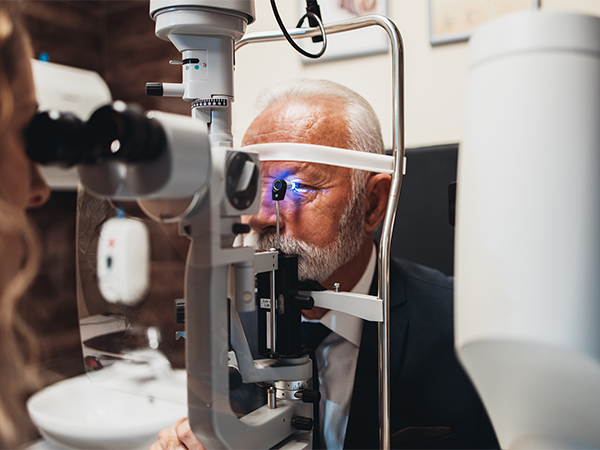
If your dry eye keeps returning, feels worse with screens, or never fully improves with over-the-counter drops, MGD may be part of the problem. A professional evaluation can help determine whether your symptoms are tied to tear evaporation, gland blockage, or another ocular surface issue.
Schedule your dry eye evaluation with Westchester Eyes to learn more about advanced treatment options. Visit our office in Yonkers, NY, or call 914-586-EYES (3937) to book an appointment today.
All Eye
Care Services

Keep
In Touch

© 2026 Westchester Eyes. All rights Reserved. Accessibility Statement - Privacy Policy - Sitemap
Powered by: