
Meibography in White Plains: What Meibomian Gland Images Add to an Ocular Inflammation Evaluation
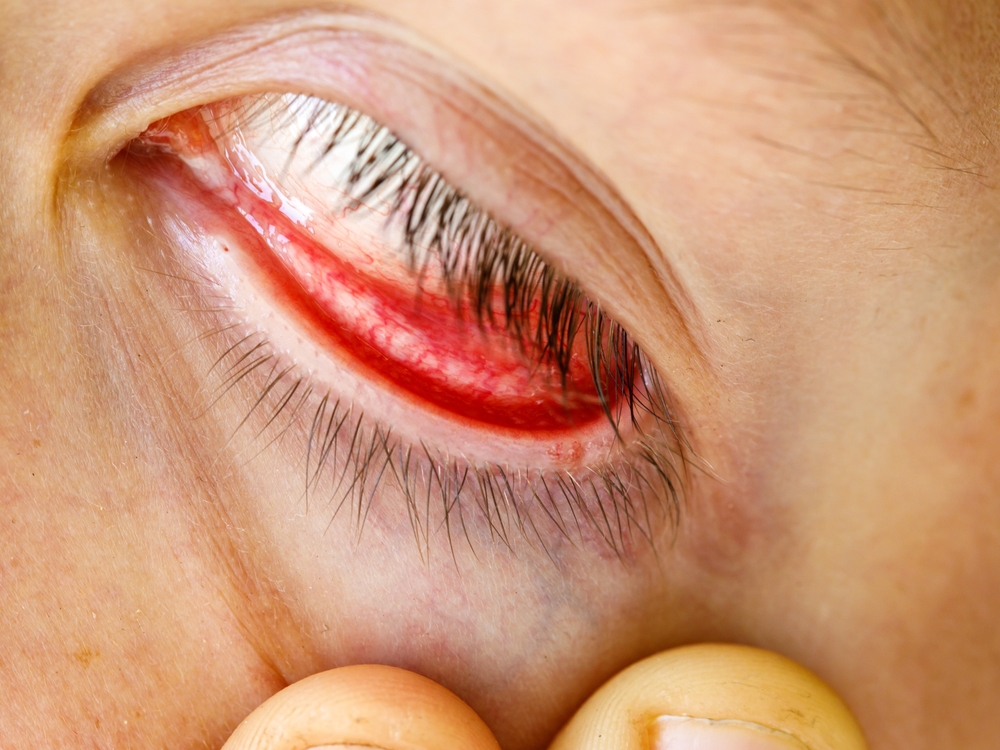
Persistent dryness, burning, redness, and fluctuating vision can have several underlying causes, including ocular inflammation and meibomian gland dysfunction (MGD). At Westchester Eyes in White Plains, NY, we use advanced diagnostic testing to identify contributing factors rather than relying on symptoms alone. Meibography is one tool that helps us evaluate the structure of the meibomian glands and understand how gland changes may affect tear film health.
What Is Meibography?
Meibography is a noninvasive imaging technique that allows us to examine the meibomian glands inside the eyelids. These glands produce oils that help prevent tears from evaporating too quickly. When the glands become obstructed, damaged, or dysfunctional, the tear film may become unstable, contributing to irritation and ocular surface inflammation.
Meibography provides detailed images of gland structure, helping us identify changes that may not be visible during a routine eye examination. However, imaging alone cannot determine whether active inflammation is present.
What Can Meibomian Gland Images Reveal?
During a meibography evaluation in White Plains, we examine the appearance and distribution of the meibomian glands to identify structural abnormalities.
Important findings may include:
- Gland Dropout: Areas where glands are partially or completely missing, indicating structural loss.
- Gland Shortening: Reduced gland length that may suggest changes associated with meibomian gland dysfunction.
- Gland Distortion: Irregular, curved, or altered gland shapes that may indicate structural abnormalities.
- Differences Between Eyelids: Variations in gland health between the upper and lower eyelids that help us assess the extent of structural changes.
These findings provide objective information about gland anatomy. However, structural changes do not always correspond directly with symptom severity or current gland function.
How Meibography Supports Ocular Inflammation Testing
At Westchester Eyes, we consider meibography one component of a comprehensive ocular inflammation evaluation. While gland images reveal structural changes, additional testing helps us assess inflammation and tear film abnormalities. Depending on your symptoms and examination findings, we may recommend MMP-9 testing to identify an inflammatory marker, tear osmolarity testing to evaluate tear film imbalance, and direct examination of the eyelids and ocular surface.
We also assess gland secretions and tear film stability when appropriate. Combining these findings helps us distinguish structural gland changes from functional problems and identify whether inflammation may be contributing to your symptoms.
Using Diagnostic Findings to Guide Treatment
Not every patient with abnormal meibography images requires the same treatment. Our recommendations depend on gland structure, measurable signs of inflammation, tear film health, symptoms, and other clinical findings.
For some patients, treatment may involve eyelid hygiene, warm compresses, lubricating drops, or prescription medications. Others may benefit from advanced therapies such as Light Modulation Low-Level Light Therapy (LM LLLT) or Optimal Power Energy Intense Pulsed Light (OPE IPL).
These treatments may be considered when clinical findings support an inflammation-focused approach. Meibography helps inform those decisions, but gland images alone do not establish which treatment is necessary.
When Should You Consider Meibography?
If you experience recurring dryness, burning, watery eyes, contact lens discomfort, or fluctuating vision, a comprehensive ocular surface evaluation may help identify contributing factors. We use diagnostic findings to develop individualized treatment plans focused on managing ocular inflammation, supporting remaining gland function, and improving tear film stability.
If persistent eye irritation is affecting your comfort, schedule an ocular inflammation evaluation with Westchester Eyes to learn how meibography and advanced testing can help identify the underlying problem. Visit our White Plains North office at 65 Tarrytown Road, White Plains, NY 10607, or call (914) 487-0025 to book an appointment today.
All Eye
Care Services

Keep
In Touch

© 2026 Westchester Eyes. All rights Reserved. Accessibility Statement - Privacy Policy - Sitemap
Powered by: