
Myopia Control for White Plains Students: A Parent’s Guide for the New School Year
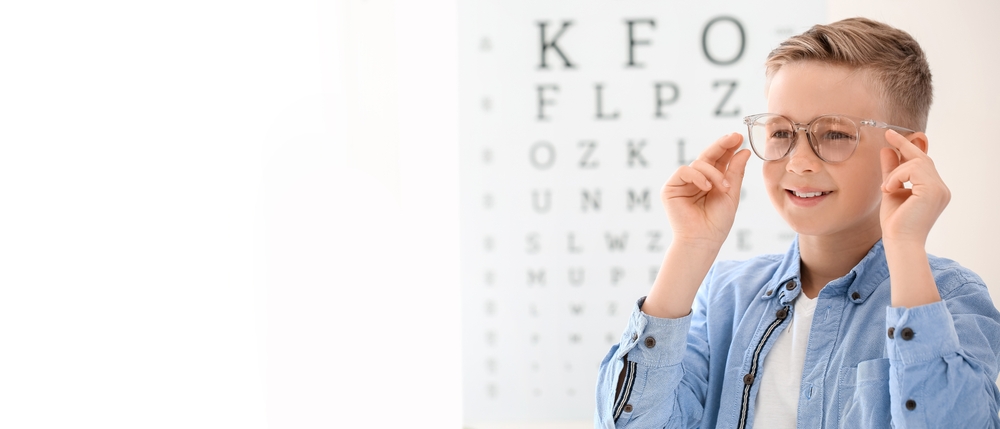
As students in White Plains head into a new school year, clear vision can make a meaningful difference in the classroom. Myopia, also known as nearsightedness, often begins during childhood and may continue to progress as a child grows. While traditional glasses can correct blurry distance vision, myopia control focuses on slowing the progression of nearsightedness over time.
For parents, understanding the signs of myopia and available management options can help protect a child's vision now and support healthier eyes in the future.
Why Myopia Can Affect School Performance
Children with myopia can usually see nearby books and devices clearly but may struggle to see objects farther away. In a classroom, this can make it difficult to read the board, follow presentations, recognize details across the room, or participate comfortably in certain activities.
Because children may assume everyone sees the way they do, they do not always mention that something looks blurry. A comprehensive pediatric eye exam can identify myopia and determine whether a child's prescription is changing.
Signs Your Child May Be Developing Myopia
Parents of White Plains students should pay attention to changes in visual habits, especially as schoolwork and screen use increase. Possible signs include:
- Squinting when looking across the classroom or at distant objects
- Sitting unusually close to televisions or screens
- Holding books or devices close to the face
- Complaining of headaches or tired eyes
- Having difficulty seeing the board at school
- Avoiding activities that depend on clear distance vision
These symptoms do not always mean a child has myopia, but they are a good reason to schedule an eye exam.
How Myopia Control Is Different From Regular Glasses
Standard prescription glasses help a child see clearly, but they do not necessarily address how quickly myopia is progressing. Myopia control is designed to slow the worsening of nearsightedness during the years when a child's eyes are still developing.
Depending on your child's prescription, age, eye health, and lifestyle, myopia management may involve specialty eyeglass lenses, specially designed contact lenses, overnight lenses, or prescription eye drops. The goal is to create an individualized approach that provides clear vision while helping reduce myopia progression.
Why Starting Early Can Matter
Myopia can progress throughout childhood and adolescence. The earlier significant progression is identified, the sooner parents can discuss whether myopia control may be appropriate.
Higher levels of myopia are also associated with an increased risk of certain eye health problems later in life. Managing progression during childhood may help reduce how nearsighted a child ultimately becomes.
For White Plains families, the beginning of the school year is a practical time to evaluate vision changes. A comprehensive exam can establish a baseline, update an existing prescription, and determine whether your child could benefit from a myopia management plan.
Supporting Your Child Throughout the School Year
Myopia management requires ongoing monitoring because children's eyes can change as they grow. Regular follow-up visits allow our eye doctor to track prescription changes, evaluate treatment progress, and make adjustments when necessary.
Parents can also encourage healthy visual habits, including taking breaks from prolonged near work, maintaining comfortable reading distances, and spending more time outdoors when possible.
Schedule a myopia control consultation with Westchester Eyes in White Plains, NY at our North Broadway location by calling (914) 946-4100 and help your child start the school year with a clearer plan for their vision.
All Eye
Care Services

Keep
In Touch

© 2026 Westchester Eyes. All rights Reserved. Accessibility Statement - Privacy Policy - Sitemap
Powered by: