
Ocular Inflammation Follow-Ups in White Plains: How Treatment Progress Is Assessed

Ocular inflammation can contribute to ongoing dryness, redness, burning, irritation, and fluctuating vision. Starting treatment is an important step, but follow-up appointments help determine whether the ocular surface is responding as expected. At Westchester Eyes, we monitor treatment progress in White Plains by considering both how your eyes feel and what our examinations reveal.
Why Ocular Inflammation Follow-Ups Matter
Eye discomfort may improve before the tear film and eyelid glands become more stable. In other cases, symptoms may persist even when some measurements show improvement. Follow-up visits help us identify these differences, assess whether treatment is helping, and decide if your care plan needs adjustment.
Because ocular inflammation can have several contributing factors, we do not rely on a single symptom or test result to judge progress. We compare findings over time and consider how your eyes respond during everyday activities, including reading, screen use, and contact lens wear.
What We Check During a Follow-Up Visit
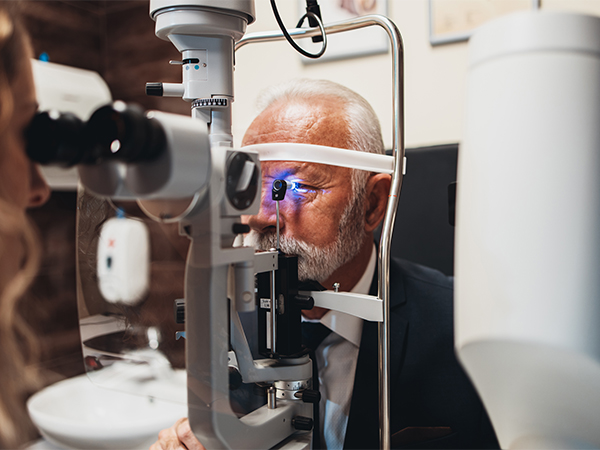
An ocular inflammation follow-up in White Plains may include several areas of evaluation, depending on your original findings and current symptoms:
· Symptom changes: We ask whether burning, watering, redness, light sensitivity, or blurry vision has improved, worsened, or remained the same.
· Ocular surface health: We examine the eye's surface and eyelids for ongoing irritation or visible signs of inflammation.
· Tear film stability: We assess whether the tears are maintaining a healthier, more consistent protective layer.
· Inflammatory activity: When appropriate, MMP-9 testing may help identify inflammatory markers on the ocular surface.
· Meibomian gland health: We assess gland function and may use meibography to evaluate gland structure when clinically useful.
These findings help us understand not only whether symptoms are changing, but also what may still be contributing to discomfort.
How Diagnostic Results Guide Treatment
At Westchester Eyes, our inflammation-focused approach includes diagnostic options such as MMP-9 testing, tear osmolarity testing, and meibography. Tear osmolarity can provide information about tear film imbalance, while meibography helps us examine the glands responsible for producing the oily portion of tears.
Not every test needs to be repeated at each visit. We select follow-up testing based on your condition, prior results, and response to treatment. Changes across multiple findings often provide a clearer picture than one measurement alone.
Monitoring Progress After IPL or LLLT
For patients receiving Optimal Power Energy (OPE) intense pulsed light (IPL) or Light Modulation (LM) low-level light therapy (LLLT), follow-ups help us evaluate comfort, eyelid health, tear quality, and gland function. Improvements may develop over multiple visits, and responses vary from patient to patient.
We also review your home care routine and any ongoing symptoms to determine whether additional treatment, changes in care, or continued monitoring may be appropriate. If you develop sudden vision changes, severe eye pain, or marked light sensitivity, contact an eye care professional promptly rather than waiting for your next appointment.
If you are receiving ocular inflammation treatment and want to better understand your progress, schedule a follow-up appointment with Westchester Eyes. Visit us at 65 Tarrytown Road, White Plains, NY 10607, or call (914) 487-0025 to schedule your visit today.
All Eye
Care Services

Keep
In Touch

© 2026 Westchester Eyes. All rights Reserved. Accessibility Statement - Privacy Policy - Sitemap
Powered by: