
Watery Eyes and Ocular Surface Inflammation: A Medical Evaluation in White Plains
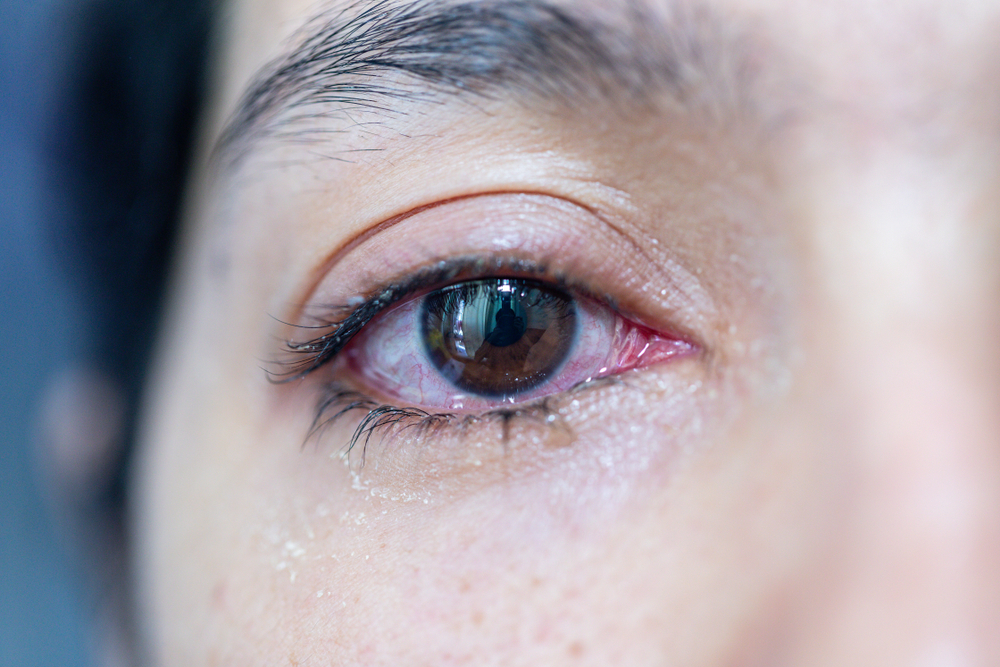
Watery eyes are not always a sign of excess moisture. Irritation on the surface of the eye can trigger reflex tearing even when the tear film is unstable. At Westchester Eyes in White Plains, we approach persistent watering as a medical symptom, looking for objective signs of ocular inflammation and other possible causes before recommending treatment.
Why Inflamed Eyes May Water Excessively
A healthy tear film protects the cornea and keeps vision clear. When the oil-producing meibomian glands are not working properly, tears can evaporate too quickly. The resulting surface irritation may stimulate additional watery tears, but those tears may not adequately protect the eye.
Ocular surface inflammation can also be associated with eyelid inflammation, allergies, or other conditions affecting tear quality. Not every watery eye is caused by dry eye disease, however. Problems with tear drainage, eyelid position, and infections can produce similar symptoms. Identifying the cause is essential because these conditions require different approaches to care.
What We Look for During a Medical Evaluation
At our White Plains office on Broadway, we review when watering occurs, whether one or both eyes are affected, and any associated redness, itching, discharge, discomfort, or changes in vision. We then examine the eyelids, tear film, and ocular surface for measurable abnormalities.
Depending on the examination, testing may include:
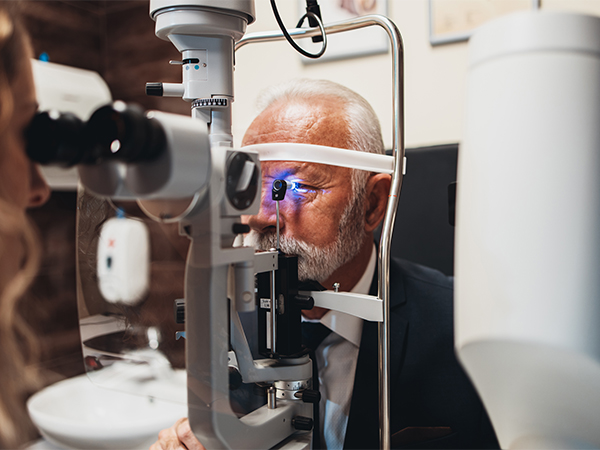
· Slit-lamp examination and ocular surface staining to check for irritation, tissue changes, or damage to the corneal surface.
· Tear film assessment to evaluate stability and signs of rapid evaporation.
· MMP-9 testing to assess whether an elevated inflammatory marker is present on the ocular surface.
· Tear osmolarity testing to identify tear film imbalance that may accompany ocular surface disease.
· Meibography to examine the structure of the meibomian glands and identify gland changes.
If symptoms or examination findings suggest impaired tear drainage, we may recommend additional assessment or referral rather than assuming inflammation is the only explanation.
How Findings Shape an Inflammation-Focused Treatment Plan
No single symptom or test confirms the cause of watery eyes. We interpret the results together, considering whether inflammation, meibomian gland dysfunction, tear film instability, or another condition best explains the findings.
Management may involve addressing eyelid disease, using appropriate medications or supportive measures, and monitoring the ocular surface over time. When the examination supports their use, we may also consider Light Modulation Low-Level Light Therapy (LM LLLT) or Optimal Power Energy Intense Pulsed Light (OPE IPL) as part of care for selected inflammation-related conditions. These therapies are not appropriate for every cause of tearing, and results vary.
When Watery Eyes Need More Urgent Attention
Persistent watering deserves evaluation, particularly when it repeatedly affects the same eye or does not improve. Sudden vision changes, significant eye pain, marked redness, pronounced light sensitivity, or swelling with discharge warrant prompt medical assessment rather than waiting for a routine appointment.
If excessive tearing continues, schedule an ocular surface inflammation evaluation with Westchester Eyes at our White Plains - South office, 15 North Broadway, Suite 1A, White Plains, NY 10601. Call (914) 946-4100 to arrange an appointment.
All Eye
Care Services

Keep
In Touch

© 2026 Westchester Eyes. All rights Reserved. Accessibility Statement - Privacy Policy - Sitemap
Powered by: