
FAQ: Chalazion Treatment in White Plains, NY
A chalazion may look like a simple eyelid bump, but persistent or recurring chalazia can be connected to inflammation or poor oil gland function. At Westchester Eyes we look beyond the visible swelling to identify why the blockage developed. Using objective clinical findings, we create a personalized chalazion treatment plan based on each patient’s eyelid health rather than taking a one-size-fits-all approach. Below are frequently asked questions on chalazion treatment.
1. What is a chalazion and why does it form?
A chalazion is a lump that develops when one of the meibomian glands in the eyelid becomes blocked and traps oil. At Westchester Eye, we evaluate the eyelid and surrounding oil glands to determine whether inflammation, blepharitis, meibomian gland dysfunction, or another factor contributed to the blockage.
2. How can I tell if an eyelid bump is a chalazion or a stye?
A chalazion is usually caused by a blocked oil gland and may become firm or relatively painless. A stye is more commonly associated with an active infection and may be tender near the eyelash line. We examine the bump carefully because the correct diagnosis guides the most appropriate treatment.
3. When should I schedule a chalazion evaluation?
We recommend scheduling an evaluation when an eyelid bump lasts several weeks, becomes more swollen, repeatedly returns, causes significant discomfort, or interferes with vision. An early assessment helps us evaluate the blockage and identify eyelid inflammation or gland dysfunction that could lead to future chalazia.
4. What causes recurring chalazia?
Recurring chalazia may be connected to meibomian gland dysfunction, blepharitis, rosacea, eyelid debris, makeup buildup, or a previous stye that did not fully resolve. We look for these underlying factors instead of focusing only on reducing the current bump.
5. How does Westchester Eyes diagnose a chalazion?
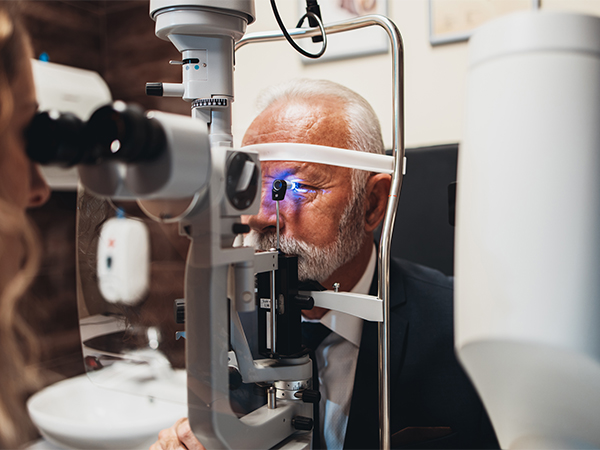
At Westchester Eyes, we evaluate the appearance and location of the bump along with the eyelid margins, meibomian glands, inflammation, and ocular surface health. These objective findings help us determine whether the chalazion is an isolated blockage or part of a broader eyelid condition.
6. Does chalazion treatment always require surgery?
No. Many patients improve with conservative chalazion treatment, such as properly applied warm compresses, gentle eyelid massage, and treatment for contributing eyelid inflammation. We consider an injection or minor procedure only when the chalazion does not respond adequately to less invasive care.
7. Can warm compresses help a chalazion?
Warm compresses can soften trapped oil and encourage a blocked eyelid gland to drain. We explain how to apply heat safely and consistently. We may also recommend gentle eyelid massage, but patients should avoid forcefully squeezing or attempting to pop the bump.
8. Are antibiotics used for chalazion treatment?
Antibiotics are generally not the primary treatment because a chalazion usually results from inflammation and gland blockage rather than an active infection. We first determine what is causing the eyelid bump. Medication may be recommended when a separate bacterial condition or significant blepharitis is present.
9. How are blepharitis and meibomian gland dysfunction connected to chalazia?
Blepharitis causes ongoing inflammation around the eyelid margins, while meibomian gland dysfunction interferes with healthy oil flow. Both conditions can increase the likelihood of blocked glands and recurring chalazia. Our treatment plans address these underlying conditions to support healthier eyelid function.
10. Can IPL help with recurring chalazia?
IPL may be considered when chronic inflammation or poor meibomian gland function contributes to recurring chalazia. At Westchester Eyes, we recommend IPL only after evaluating the eyelids and oil glands. The goal is to improve the eyelid environment and reduce factors that may lead to repeated blockages.
11. What is low-level light therapy for recurring chalazia?
Low-level light therapy uses controlled light energy to support healthier eyelid function and address inflammation. It may be included in a personalized treatment plan when meibomian gland dysfunction or chronic inflammation contributes to recurring chalazia.
12. When is a corticosteroid injection considered for chalazion treatment?
A corticosteroid injection may be considered when a chalazion remains swollen despite appropriate conservative care. Before recommending an injection, we evaluate the size, location, appearance, and underlying cause of the bump. We also discuss potential risks, including possible changes in skin pigmentation.
13. What happens during chalazion removal?
When a chalazion does not resolve with conservative treatment, a minor in-office procedure may be recommended. The eyelid is numbed with local anesthesia, and a small incision is typically made on the inner surface of the eyelid to drain or remove the blocked material while helping avoid visible scarring.
14. Can a chalazion affect my vision?
A larger chalazion can press against the surface of the eye and temporarily cause blurred or distorted vision. Patients should schedule an evaluation when an eyelid bump begins affecting their sight. We assess both the chalazion and overall eye health before recommending treatment.
15. Why choose Westchester Eyes for chalazion treatment in White Plains, NY?
At Westchester Eyes, we do not simply treat every eyelid bump the same way. Our team evaluates the oil glands, eyelid margins, inflammation, and ocular surface to identify why the chalazion developed. We then create a personalized treatment plan based on objective findings and each patient’s individual needs.
Schedule a chalazion evaluation at Westchester Eyes to receive personalized care focused on the underlying cause of your condition. Contact a location most convenient for you: Yonkers at (914) 586-3937, White Plains - North at (914) 487-0025, or White Plains - South at (914) 946-4100.
All Eye
Care Services

Keep
In Touch

© 2026 Westchester Eyes. All rights Reserved. Accessibility Statement - Privacy Policy - Sitemap
Powered by: