
FAQ: Dry Eye in White Plains, NY
Many people believe dry eye is simply caused by not producing enough tears. In reality, symptoms are often connected to inflammation, tear film instability, meibomian gland dysfunction, or ocular surface irritation. At Westchester Eyes we take a root-cause approach to dry eye treatment in White Plains, NY. We use objective diagnostic testing to understand why symptoms are occurring and develop a personalized treatment plan based on each patient’s findings. Below are frequently asked questions on dry eye.
1. What is dry eye?
For patients experiencing dry eye, the problem may involve inflammation, rapid tear evaporation, blocked oil glands, or irritation of the ocular surface. We evaluate each part of the tear system before recommending treatment.
2. What causes dry eye symptoms?
Dry eye symptoms can be connected to aging, meibomian gland dysfunction, blepharitis, allergies, contact lens use, previous eye surgery, medications, or certain medical conditions. More than one factor may be involved. Our goal is to identify the underlying cause rather than assuming every patient has the same type of dry eye.
3. What are the common signs of dry eye?
Patients with dry eye may experience burning, stinging, redness, excessive watering, fluctuating vision, light sensitivity, or a gritty sensation. Some people also notice eye fatigue or discomfort while wearing contact lenses. Because these symptoms can overlap with other eye conditions, we recommend a detailed evaluation before beginning treatment.
4. When should I schedule a dry eye evaluation at Westchester Eyes?
Consider scheduling a dry eye evaluation in White Plains, NY when symptoms become frequent, interfere with reading or screen use, affect contact lens comfort, or continue despite using artificial tears. Persistent redness, blurry vision, burning, or sensitivity to light should also be evaluated. Early testing helps us determine what is affecting the tear film and ocular surface.
5. Why do artificial tears not always relieve dry eye?
Artificial tears can provide temporary moisture, but they do not always address the underlying reason for dry eye. If symptoms are caused by inflammation, blocked meibomian glands, poor oil production, or ocular surface damage, drops alone may not be enough. We use diagnostic findings to recommend care that targets the source of the problem.
6. How is dry eye diagnosed at Westchester Eyes in White Plains, NY?
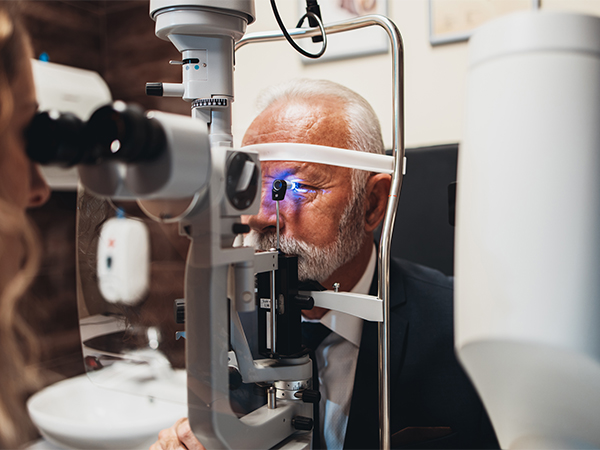
At Westchester Eyes, a dry eye evaluation in White Plains, NY includes a careful assessment of the tear film, eyelids, meibomian glands, and ocular surface. We look for signs of inflammation, gland blockage, gland loss, tear imbalance, and poor tear quality. This detailed process helps us create a treatment plan based on objective findings rather than symptoms alone.
7. What diagnostic tests are used for dry eye at Westchester Eyes?
Objective dry eye testing may include MMP-9 testing, tear osmolarity testing, and meibography. MMP-9 testing looks for inflammatory markers, while osmolarity testing measures tear film stress and imbalance. Meibography provides images of the meibomian glands so we can evaluate their structure, function, and overall health.
8. What is meibomian gland dysfunction?
Meibomian gland dysfunction is a common cause of dry eye. These glands produce the oil layer that slows tear evaporation. When the glands become blocked, inflamed, or damaged, tears can evaporate too quickly. We evaluate the glands directly to determine whether poor oil flow is contributing to irritation, fluctuating vision, or contact lens discomfort.
9. Can inflammation cause dry eye?
Inflammation frequently contributes to dry eye. It can affect the eyelids, tear-producing tissues, and ocular surface, creating a cycle of irritation and tear film instability. Testing for inflammation helps us determine whether anti-inflammatory care or an advanced in-office treatment should be included in the patient’s personalized treatment plan.
10. Can contact lenses make dry eye worse?
Contact lenses can contribute to dry eye symptoms by disrupting the tear film or increasing evaporation. Patients may notice that their lenses become uncomfortable earlier in the day or that vision fluctuates. We evaluate tear quality, gland function, lens fit, and wearing habits before recommending changes to the lenses or additional dry eye treatment.
11. Can screens and seasonal conditions worsen dry eye?
Extended screen use can worsen dry eye because people tend to blink less frequently while concentrating. Wind, indoor heating, air conditioning, and dry seasonal air can also increase tear evaporation. When these factors are combined with inflammation or gland dysfunction, symptoms may become more noticeable and require targeted treatment.
12. What dry eye treatments are available in White Plains, NY?
Dry eye treatment in White Plains, NY depends on the cause and severity of the condition. Care may focus on controlling inflammation, improving meibomian gland function, supporting the ocular surface, or treating eyelid-related conditions. At Westchester Eyes, treatment options may include Espansione IPL, low-level light therapy, and amniotic membrane therapy based on diagnostic findings.
13. How does Espansione IPL treat dry eye?
Espansione IPL is an advanced option for certain patients with dry eye. The treatment is designed to target inflammation and vascular changes that can contribute to redness, eyelid irritation, and meibomian gland dysfunction. We recommend Espansione IPL only when a patient’s examination and diagnostic results indicate that it is appropriate.
14. What is LLLT for dry eye?
Low-level light therapy, also called LLLT, uses light modulation to support eyelid health and meibomian gland function. LLLT may help improve gland performance and oil flow, which can support tear quality and reduce evaporation. Treatment recommendations are based on each patient’s gland evaluation and symptoms.
15. When is amniotic membrane therapy used for dry eye?
Amniotic membrane therapy may be recommended when dry eye has caused significant ocular surface irritation or damage. The membrane protects the surface of the eye and supports tissue recovery and healing. We carefully evaluate the cornea and ocular surface before determining whether this treatment should be part of a personalized care plan.
16. Why choose Westchester Eyes for dry eye treatment in White Plains, NY?
Patients choose Westchester Eyes for dry eye treatment in White Plains, NY because we focus on understanding why symptoms are occurring. We combine objective diagnostic testing with a detailed evaluation of the tear film, eyelids, glands, and ocular surface. This allows us to develop personalized treatment plans instead of relying on a one-size-fits-all approach.
Schedule a comprehensive evaluation at Westchester Eyes to learn more about our diagnostic testing and advanced dry eye treatment options. Contact a location most convenient for you: Yonkers at (914) 586-3937, White Plains - North at (914) 487-0025, or White Plains - South at (914) 946-4100.
All Eye
Care Services

Keep
In Touch

© 2026 Westchester Eyes. All rights Reserved. Accessibility Statement - Privacy Policy - Sitemap
Powered by: