
FAQ: Diabetic-Related Eye Care in White Plains, NY
At Westchester Eyes, we provide diabetic-related eye care in White Plains, NY, with a focus on detecting changes early, monitoring eye health, and protecting your vision over time. At our White Plains - South location, we evaluate how diabetes may be affecting the retina and other structures of the eye so we can recommend care based on your individual findings. Below are frequently asked questions on diabetic-related eye care.
What is diabetic-related eye care?
Diabetic-related eye care focuses on identifying and monitoring changes that diabetes can cause inside the eyes. We examine the retina, blood vessels, macula, optic nerve, and other structures to detect concerns early and determine the appropriate follow-up schedule.
Why do I need diabetic eye exams if my vision seems normal?
Many diabetes-related eye changes can develop before you notice blurred vision or other symptoms. At Westchester Eyes in White Plains - South, diabetic eye exams allow us to detect subtle changes early, establish a baseline, and monitor your eyes even when your vision still feels clear.
What eye conditions can diabetes cause patients?
Diabetes can increase the risk of diabetic retinopathy, diabetic macular edema, cataracts, glaucoma, and other retinal changes. Regular diabetic-related eye care helps us identify these concerns and determine when closer monitoring or additional treatment is needed.
What is diabetic retinopathy?
Diabetic retinopathy occurs when diabetes damages the small blood vessels that supply the retina. At Westchester Eyes in White Plains - South, we examine the retina for bleeding, leaking vessels, swelling, and other signs that may indicate diabetic retinopathy.
What is diabetic macular edema?
Diabetic macular edema is swelling in the macula caused by fluid leaking from damaged retinal blood vessels. During diabetic-related eye care at our White Plains - South location, we evaluate the macula carefully because changes in this area can affect detailed central vision.
How often should I have a diabetic eye exam?
Many people with diabetes should have a comprehensive diabetic eye exam at least once a year. At Westchester Eyes in White Plains - South, we may recommend more frequent visits if we detect retinal changes, your diabetes has been difficult to control, or your individual risk factors require closer monitoring.
What happens during a diabetic eye exam in White Plains, NY?
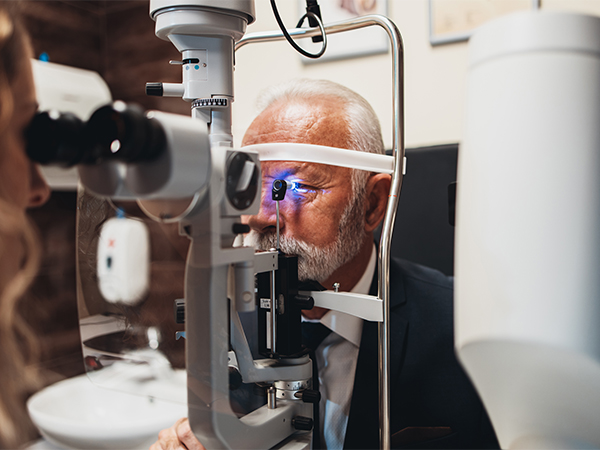
At our White Plains - South location, we review your medical and eye health history, evaluate your vision, and carefully examine the internal structures of your eyes. Depending on your findings, we may also use retinal imaging, OCT, dilation, or other diagnostic testing to assess your eye health in greater detail.
Can diabetic eye disease develop without symptoms?
Yes. Early diabetic eye disease may develop without pain, noticeable vision loss, or other obvious warning signs. This is why we strongly recommend regular diabetic-related eye care rather than waiting until your vision changes.
What symptoms of diabetic eye disease should I watch for?
Patients should contact us promptly for blurred or fluctuating vision, new floaters, dark spots, missing areas of vision, flashes of light, or sudden changes in eyesight. These symptoms can have several causes, so a professional eye evaluation is important.
Can a diabetic eye exam detect other eye conditions?
Yes. During diabetic-related eye care at our White Plains - South location, we may also identify signs of cataracts, glaucoma, macular problems, retinal conditions, or other changes affecting eye health. We evaluate the eyes comprehensively rather than looking only for diabetic retinopathy.
Does blood sugar control affect diabetic eye health?
Yes. Blood sugar levels can influence both your risk of diabetic eye disease and fluctuations in your vision. During visits to Westchester Eyes in White Plains - South, we consider your diabetes history and overall health along with the findings from your eye examination.
Can high blood pressure affect diabetic eye disease?
Yes. High blood pressure can place additional stress on the blood vessels in the retina, especially in people with diabetes. Our eye doctors in White Plains consider blood pressure and other health factors when evaluating your risk and determining how closely your eyes should be monitored.
What happens if you find diabetic retinopathy during my eye exam?
If we detect diabetic retinopathy at Westchester Eyes in White Plains - South, we will explain the findings clearly and determine the appropriate next step. Depending on the severity, this may include closer monitoring, additional imaging, or coordination with a retinal specialist when more advanced care is needed.
Can diabetic-related eye care help protect my long-term vision?
Regular diabetic-related eye care is an important part of protecting your vision because it allows us to identify changes before they become more advanced. We track your findings over time so we can respond promptly when meaningful changes occur.
Why choose Westchester Eyes for diabetic-related eye care in White Plains, NY?
At Westchester Eyes in White Plains - South, we take a detailed, diagnostic approach to diabetic-related eye care. We evaluate your individual risk factors, document retinal and eye health changes, explain our findings clearly, and create a monitoring plan based on what your eyes actually need.
Protecting your vision starts with consistent diabetic eye care. Contact Westchester Eyes at our White Plains - South location to schedule your diabetic-related eye evaluation and receive care tailored to your eye health. Call (914) 946-4100 to schedule your appointment.
All Eye
Care Services

Keep
In Touch

© 2026 Westchester Eyes. All rights Reserved. Accessibility Statement - Privacy Policy - Sitemap
Powered by: