
FAQ: Neurotrophic Keratopathy Care in Yonkers, NY
At Westchester Eyes in Yonkers, NY, we provide neurotrophic keratopathy care focused on identifying why the cornea is not healing properly and protecting the ocular surface from further damage. Because this condition can progress even when discomfort is mild, a detailed evaluation is essential. Below are frequently asked questions on neurotrophic keratopathy care.
What is neurotrophic keratopathy?
Neurotrophic keratopathy is a corneal condition caused by reduced or impaired nerve function in the cornea. At Westchester Eyes in Yonkers, NY, we evaluate how well the cornea is sensing and healing so we can identify the condition accurately and develop a care plan based on the health of the ocular surface.
What causes neurotrophic keratopathy?
Neurotrophic keratopathy can develop when the nerves that support corneal sensation and healing become damaged. Possible contributing factors include previous herpes infections, diabetes, eye surgery, chronic ocular surface disease, certain medications, contact lens-related injuries, and neurological conditions.
What are the symptoms of neurotrophic keratopathy?
Patients with neurotrophic keratopathy may experience redness, dryness, blurred or fluctuating vision, light sensitivity, recurrent irritation, or a corneal abrasion that heals slowly. Some patients have surprisingly little discomfort even when significant corneal damage is present.
Can neurotrophic keratopathy occur without eye pain?
Yes. One of the important characteristics of neurotrophic keratopathy is reduced corneal sensation. Patients may have very little pain despite significant changes to the corneal surface. This is why persistent or slow-healing eye problems require a thorough medical eye evaluation in Yonkers even when discomfort is minimal.
How is neurotrophic keratopathy diagnosed in Yonkers, NY?
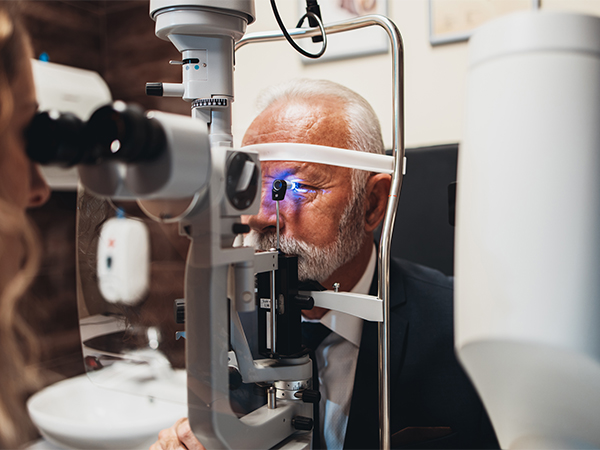
At Westchester Eyes in Yonkers, NY, we assess neurotrophic keratopathy using a detailed medical and eye health history along with careful examination of the cornea. We may evaluate corneal sensitivity, use diagnostic staining, examine the ocular surface under magnification, and assess the tear film and eyelids for contributing problems.
How is neurotrophic keratopathy different from dry eye?
Dry eye and neurotrophic keratopathy can produce similar symptoms, but they are not the same condition. Neurotrophic keratopathy involves impaired corneal nerve function and reduced healing ability. At our Yonkers, NY practice, we use objective findings to determine whether symptoms are related to dry eye, neurotrophic keratopathy, or another ocular surface condition.
Why is early care important for neurotrophic keratopathy?
Early evaluation of neurotrophic keratopathy is important because reduced corneal sensation can allow the condition to progress without significant warning symptoms. Timely care helps our eye doctors in Yonkers protect the corneal surface, support healing, and reduce the risk of persistent defects, infection, scarring, and other complications.
How is neurotrophic keratopathy treated in Yonkers, NY?
Treatment for neurotrophic keratopathy in Yonkers, NY depends on the cause, severity, and condition of the corneal surface. At Westchester Eyes, we create an individualized plan that may focus on improving lubrication, protecting the cornea, reducing surface stress, supporting epithelial healing, and addressing related tear film or eyelid concerns.
Can amniotic membrane therapy help neurotrophic keratopathy?
Amniotic membrane therapy may be recommended for certain patients with neurotrophic keratopathy in Yonkers, NY when the corneal surface needs additional support. The membrane helps protect the ocular surface and support tissue recovery while the cornea heals. We determine whether this treatment is appropriate based on examination findings.
Can contact lenses be used for neurotrophic keratopathy?
Certain protective contact lenses may be used as part of neurotrophic keratopathy care in Yonkers, NY. These lenses can help shield the corneal surface and create a more supportive environment for healing. We determine whether a protective lens is appropriate based on the condition and stability of the cornea.
Can diabetes contribute to neurotrophic keratopathy?
Yes. Diabetes can affect nerve function and may contribute to neurotrophic keratopathy in some patients. When evaluating the cornea, we consider overall medical history and underlying health conditions so we can better understand why the ocular surface is not healing normally.
Can previous eye surgery or infection cause neurotrophic keratopathy?
Previous eye surgery and certain infections, particularly herpes-related infections, can affect the nerves of the cornea and contribute to neurotrophic keratopathy. Patients with recurring irritation or a slow-healing corneal problem after surgery or infection should have the cornea carefully evaluated.
Can neurotrophic keratopathy affect vision?
Yes. Neurotrophic keratopathy can affect vision if the corneal surface becomes irregular, develops a persistent defect, or experiences scarring. Our goal at Westchester Eyes in Yonkers, NY is to identify corneal changes early, support healing, and protect the clarity and integrity of the cornea.
How often should neurotrophic keratopathy be monitored?
The appropriate follow-up schedule for neurotrophic keratopathy depends on the severity of the condition and how the cornea responds to treatment. We monitor the ocular surface closely and adjust follow-up visits as needed to confirm that healing is progressing and the cornea remains protected.
Why choose Westchester Eyes for neurotrophic keratopathy care in Yonkers, NY?
Westchester Eyes provides detailed neurotrophic keratopathy care in Yonkers, NY with an emphasis on objective testing, accurate diagnosis, and individualized management. We look beyond symptoms alone to determine why the cornea is not healing properly and develop a focused plan designed to protect the ocular surface and support healthy healing.
If you are experiencing a recurring, slow-healing, or unusual corneal problem, contact Westchester Eyes in Yonkers, NY for a neurotrophic keratopathy evaluation. Call(914) 586-EYES (3937) to schedule an appointment and get clear answers about your corneal health.
All Eye
Care Services

Keep
In Touch

© 2026 Westchester Eyes. All rights Reserved. Accessibility Statement - Privacy Policy - Sitemap
Powered by: