
Is Your Child’s Vision Getting Worse? Signs of Myopia Parents in Often Miss
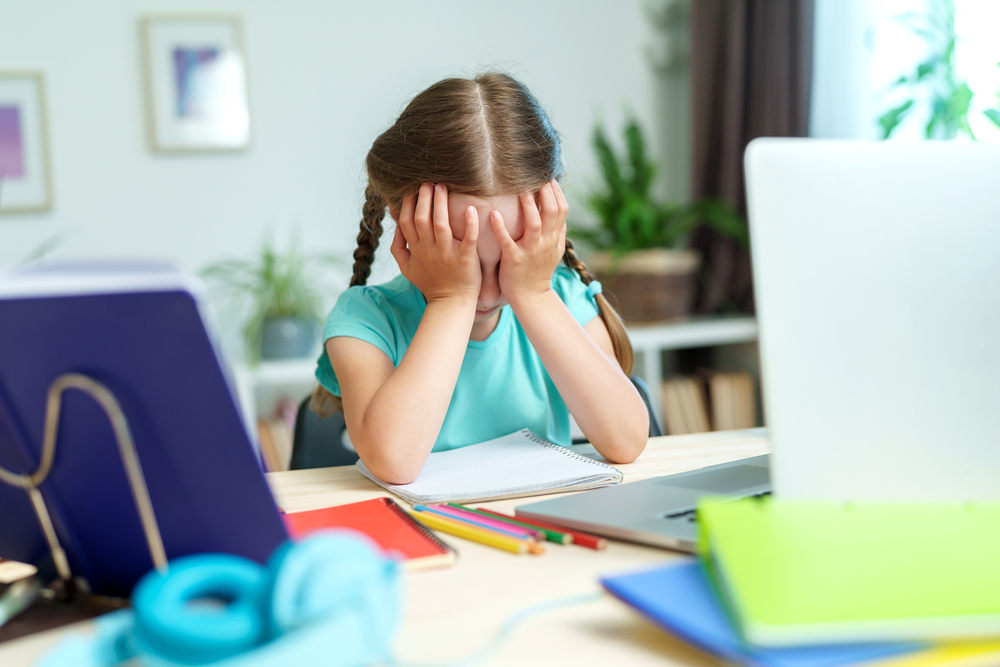
Myopia Can Progress Gradually
Myopia, or nearsightedness, often develops in childhood and can change faster than parents expect. A child may still function well in class or at home while quietly struggling to see the board, street signs, sports fields, or details across the room. At Westchester Eyes, we encourage parents to watch for small changes in how their child sees, learns, and behaves throughout the day.
Squinting, Head Tilting, and Sitting Too Close
One of the most common signs of worsening myopia is a child trying to “force” clearer distance vision. They may squint, tilt their head, move closer to the TV, hold screens near their face, or ask to sit closer in class. These habits may seem harmless, but they can point to blurred distance vision that needs a comprehensive eye exam.
School Performance May Be Affected
Children do not always know how to explain blurry vision. Instead, they may seem distracted, frustrated, or less confident at school. If your child avoids reading from the board, copies notes incorrectly, complains of headaches, or loses interest in classroom activities, their vision may be part of the problem.
Behavioral Signs Parents Often Miss
Myopia symptoms can show up in everyday routines, not just during an eye chart test. Parents may notice:
- Frequent eye rubbing or tired eyes
- Complaints that the board or distant objects look blurry
- Difficulty recognizing faces or signs from far away
- Headaches after school or screen use
- Avoiding sports or outdoor activities that require distance vision
- Needing stronger glasses sooner than expected
These changes are worth checking, especially if they become more noticeable over time.
Why Early Myopia Management Matters
A stronger prescription is not the only concern with childhood myopia. When myopia progresses, the eye can continue to elongate, which may increase the risk of certain eye health issues later in life. Early detection gives us the opportunity to monitor changes closely and discuss options that may help manage progression instead of simply updating glasses year after year.
Myopia Care Is Not One-Size-Fits-All
Every child’s eyes, lifestyle, and visual needs are different. During a comprehensive exam, we evaluate how clearly your child sees, how their eyes work together, and whether their prescription is changing. Depending on the findings, we may discuss myopia management options such as specialty contact lenses, corneal reshaping treatment, or other lens-based solutions designed to support clearer vision and long-term eye health.
When to Schedule an Eye Exam
If your child’s vision seems to be getting worse, do not wait for their next school screening. Screenings can miss important issues, and they do not replace a full pediatric eye exam. A professional evaluation can help determine whether myopia is present, how quickly it may be changing, and what steps make sense for your child.
To schedule your child’s myopia evaluation, contact Westchester Eyes in Yonkers, White Plains, or Pleasantville, New York, by calling (914) 586-EYES (3937).
All Eye
Care Services

Keep
In Touch

© 2026 Westchester Eyes. All rights Reserved. Accessibility Statement - Privacy Policy - Sitemap
Powered by: