
Key Differences Between a Stye and a Chalazion
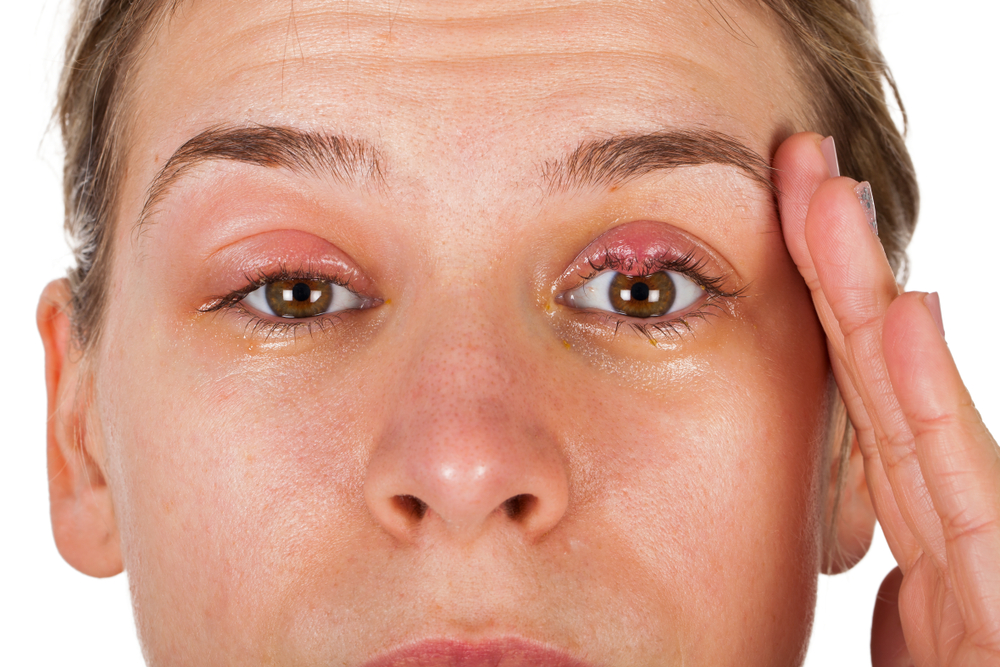
Red, swollen bumps on the eyelid are a common eye concern - and two of the most frequent causes are styes and chalazia. While these conditions may look similar at first glance, they have different causes, symptoms, and treatment approaches. At Westchester Eyes, we specialize in diagnosing eyelid conditions accurately and offering advanced treatment options when home remedies aren’t enough.
What Is a Stye?
A stye (also called a hordeolum) is an acute infection of an oil gland or eyelash follicle, most often caused by bacteria such as Staphylococcus. Styes typically develop quickly and are often painful.
Common characteristics of a stye include:
Red, swollen bump on the eyelid edge
Tenderness or pain to the touch
A yellow or white center filled with pus
Tearing or irritation
Sensitivity to light
Because a stye is an active infection, it may worsen over a few days before improving. Warm compresses can help encourage drainage, but some styes require medical treatment.
What Is a Chalazion?
A chalazion is a blocked oil gland in the eyelid that causes inflammation - but not infection. Chalazia tend to develop more slowly and are usually painless.
Common characteristics of a chalazion include:
Firm, round lump in the eyelid
Minimal redness or tenderness
No pus or drainage
Often located farther from the eyelid margin
Can persist for weeks or months
In some cases, a chalazion may start as a stye that never fully resolves, leaving behind a chronic lump.
Key Differences
The most important difference between a stye and a chalazion is the cause. A stye is the result of a bacterial infection in an eyelash follicle or oil gland, which is why it often appears suddenly and can feel tender or painful. A chalazion, on the other hand, develops when an oil gland becomes blocked, leading to inflammation without infection.
Pain level is another key distinction. Styes are typically painful and sensitive to touch, especially in the early stages. Chalazia are usually painless, even though they may feel firm or noticeable on the eyelid.
In terms of appearance, a stye often looks red and swollen and may have a visible yellow or white center filled with pus. A chalazion usually appears as a firm, round lump under the skin of the eyelid, with little redness and no drainage.
Finally, duration and recurrence can help distinguish the two. Styes are generally short-lived and resolve with proper care, while chalazia tend to last longer and are more likely to recur - especially in patients with underlying eyelid or oil gland dysfunction.
Advanced Treatment Options at Westchester Eyes
When styes or chalazia are persistent or recurring, advanced in-office treatments can provide faster relief and address the underlying cause. At Westchester Eyes, we offer targeted therapies designed to restore eyelid health and reduce recurrence.
LidPro™ Eye Exfoliator treatments remove bacteria, debris, and biofilm from the eyelid margins, helping unclog oil glands and reduce inflammation linked to styes and chalazia.
MiBoFlo Thermoelectric technology delivers controlled heat to the eyelids, improving oil gland function and supporting the resolution of blocked glands that contribute to chalazia.
Blephasteam® therapy provides soothing, moist heat to promote healthy oil flow and relieve chronic eyelid irritation.
Intense Pulsed Light (IPL) therapy helps reduce inflammation and stabilize eyelid function, lowering the risk of recurrent eyelid bumps.
Together, these advanced treatments allow our eye doctor to go beyond symptom relief and focus on long-term eyelid health.
Take the Next Step at Westchester Eyes
Although styes and chalazia may appear similar, they are distinct conditions that require different approaches to care. Early identification and proper treatment can shorten recovery time, prevent complications, and reduce the risk of recurrence. If an eyelid bump isn’t improving or keeps coming back, professional evaluation is essential.
If you’re experiencing a painful stye, a persistent chalazion, or recurring eyelid irritation, schedule an evaluation at Westchester Eyes today. Contact our offices in Yonkers, White Plains, or Pleasantville, New York, by calling (914) 586-EYES (3937) to book an appointment.
All Eye
Care Services

Keep
In Touch

© 2026 Westchester Eyes. All rights Reserved. Accessibility Statement - Privacy Policy - Sitemap
Powered by: